(0)

 Skip to the content
 A host of professionals depend on quality rainfall measuring devices and equipment to measure rainfall accurately. To use a rain measurement instrument that’s 100 percent reliable, buy a rain gauge.
There are several types of rain measurement instruments designed for different applications. Common options include tipping bucket rain gauges for automated measurement, weighing gauges for precise data, and optical rain gauges that use advanced sensors for high accuracy.
We offer a range of high-quality rainfall measuring devices designed for long-lasting performance and accurate data collection.
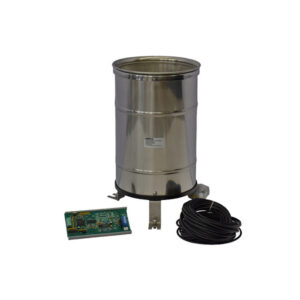
1. Rain Gauge
Our tipping bucket rain gauges are manufactured according to US National Weather specifications, this rainfall measuring instrument also boasts outstanding features. These include:
Perfect for meteorological stations, environmental monitoring, and water resource management.
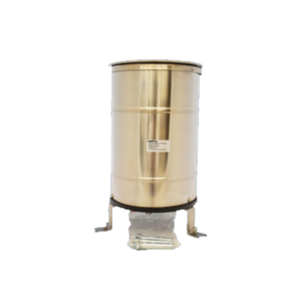
2. Rainfall Transmitter
This rain measurement instrument offers an assortment of beneficial features, ideal for environmental research and wastewater, irrigation, and stormwater monitoring and controls. These include:
3. Precipitation Transmitter
This rain measurement instrument is fully electronic with no moving parts. It provides accurate precipitation sensing including rainfall, snow, sleet and hail measurement without concern for clogging. Several features include:
Showing all 8 results


Rainfall measuring devices operate by collecting and quantifying precipitation over a set period:
Our rainfall measuring devices are used worldwide for:
When selecting a rain measurement instrument, consider:
If your organization depends on accuracy, Comptus is your go-to source for superior-quality and cost-effective rain measurement instruments. To learn more about our rainfall measuring instruments or rain gauges, contact us today. Now you can buy your rain gauge online from our E-store.
Yes — most Comptus rainfall measuring devices have pulse, 4–20mA, RS485, or SDI–12 outputs for easy integration with data loggers, controllers, and weather monitoring systems.
We recommend periodic calibration, usually every 6–12 months, depending on environmental conditions and usage.
We use corrosion-resistant 304 stainless steel, PVC, and aluminum to ensure long-lasting durability in outdoor environments.
The measurement capacity depends on the bucket design, but our rain gauges are designed for continuous measurement during heavy rain without overflow issues.
Yes — our devices are built to withstand harsh environmental conditions, including heavy rain, snow, and high winds.
Some models, like tipping bucket gauges, operate passively and only need power for data transmission. Electronic models require a 12–24VDC power source.
Install it in an open area away from obstructions like trees and buildings to ensure accurate precipitation readings.
Yes — we supply replacement components and accessories to extend the life of your rainfall measuring device.
Yes, regular maintenance is important to ensure accurate readings. Cleaning the gauge, checking for blockages, and periodic calibration help maintain the performance of your rain measurement instrument.
Rain measurement instruments are widely used in industries such as agriculture, meteorology, hydrology, construction, and environmental research, where accurate rainfall data is critical for planning and analysis.
Rainfall measurement is essential for agriculture, flood monitoring, and weather analysis. Using a reliable rain measurement instrument helps in making informed decisions related to irrigation, infrastructure planning, and environmental management.


Comptus is a leading producer of quality wind and industrial environmental sensors, transmitters and controls.
© 2026 Comptus. All Rights Reserved
Designed and Developed by: MacRAE'S - Online Marketing Agency