...

How to Choose the Right Brand for Wind Speed and Direction Sensors for Industrial Use

How to Choose the Right Brand for Wind Speed and Direction Sensors for Industrial Use

How to Choose the Right Brand for Wind Speed and Direction Sensors for Industrial Use

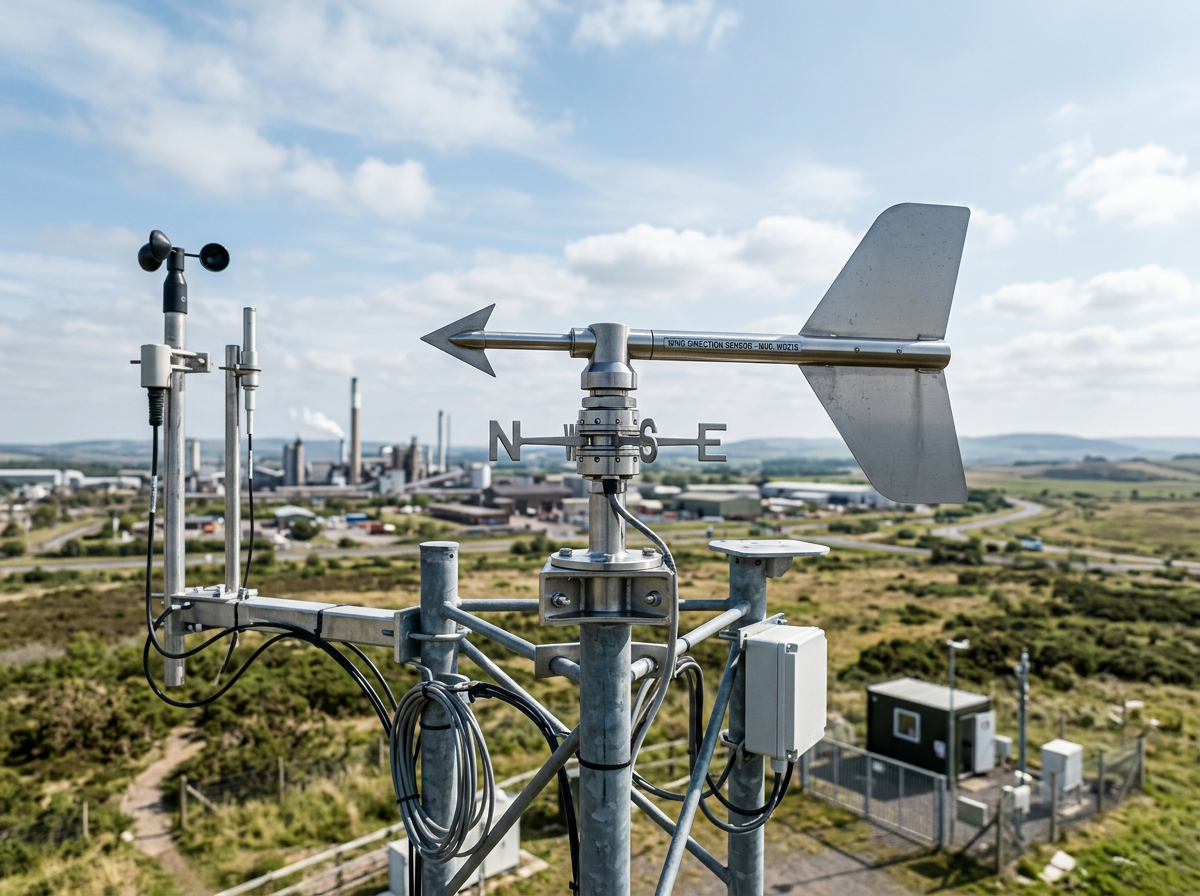
Wind conditions influence safety, system efficiency, and operational planning. In sectors such as construction, energy, and environmental monitoring, inaccurate readings can lead to downtime, compliance issues, or safety risks. Many decision-makers ask, “What is the best brand for wind speed and direction sensors for industrial use? The answer depends on how well a brand aligns with […]

read more
Why Ultrasonic Wind Sensors Are Replacing Traditional Anemometers in Industrial Applications

Why Ultrasonic Wind Sensors Are Replacing Traditional Anemometers in Industrial Applications

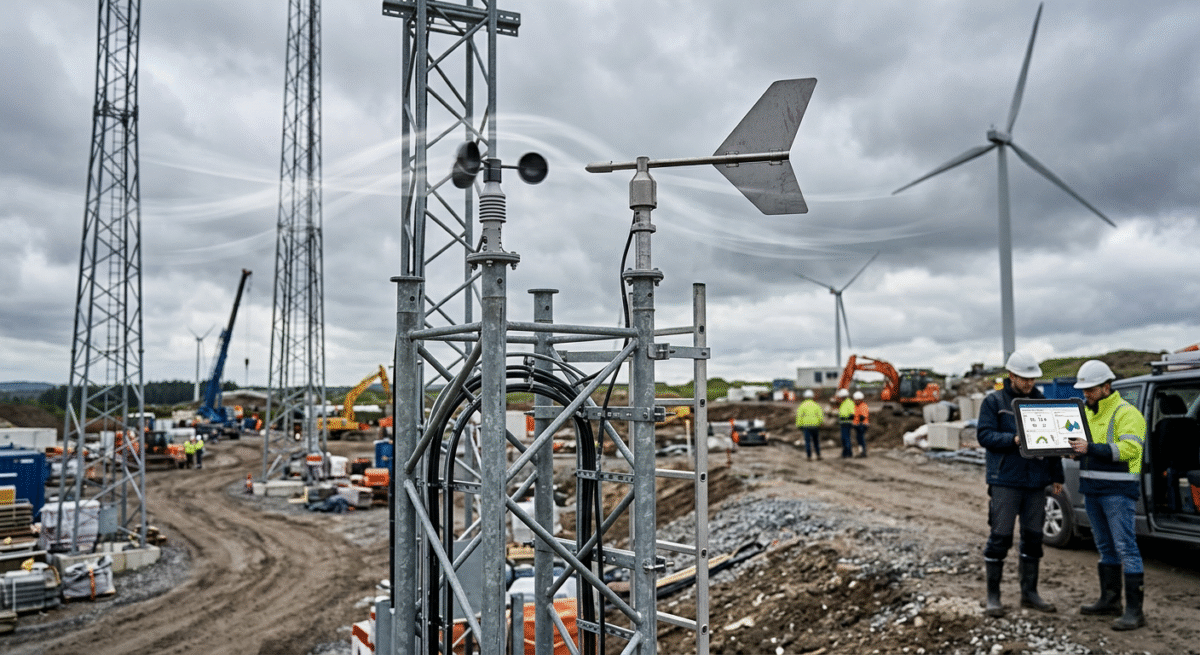
Accurate wind measurement plays a critical role in industrial operations. From maintaining safe working conditions to improving system efficiency, reliable wind data supports better decision-making across sectors. However, traditional mechanical anemometers often struggle to deliver consistent performance in demanding environments. Ultrasonic wind sensors are emerging as a dependable alternative. Their design eliminates many of the […]

read more
How Ultrasonic Sensors Capture Wind Speed With Precision

How Ultrasonic Sensors Capture Wind Speed With Precision

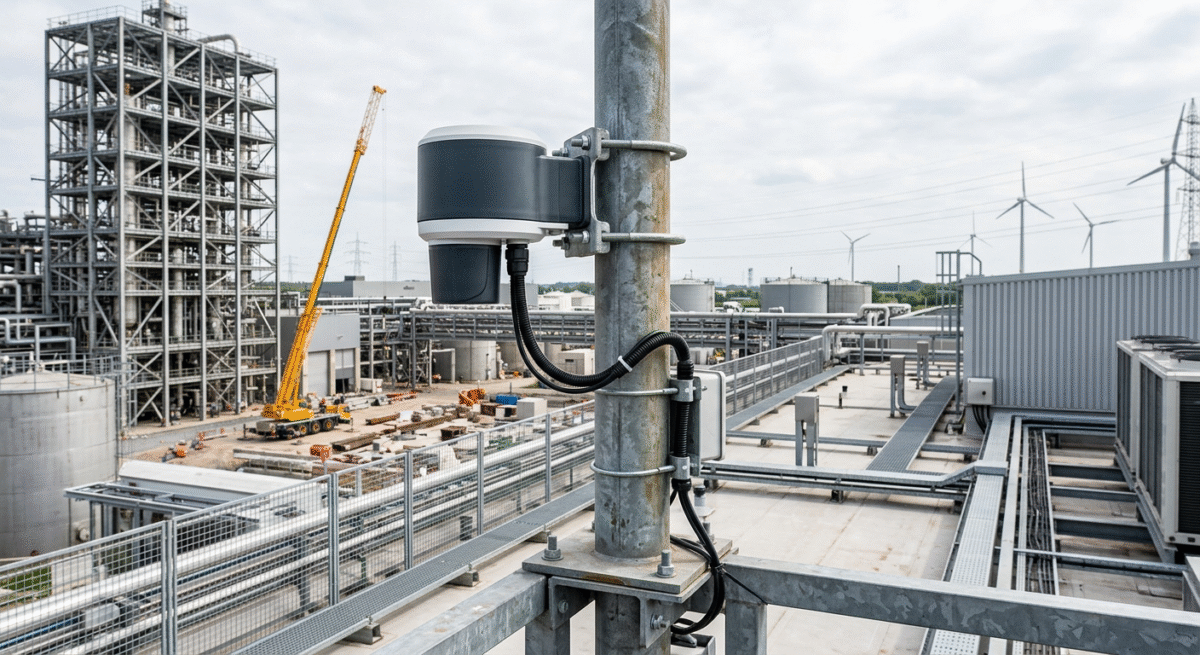
Wind behavior affects infrastructure safety, environmental monitoring, and operational planning across many industries. Construction sites, renewable energy facilities, research stations, and automated building systems rely on accurate wind measurements to guide decisions. Traditional wind speed measuring devices and technologies often depend on mechanical components such as rotating cups or vanes. These systems perform reliably under […]

read more
How Regular Maintenance Extends the Life of Industrial Anemometers

How Regular Maintenance Extends the Life of Industrial Anemometers

Wind data influences operational safety, equipment performance, and regulatory compliance across industrial sites. Construction zones pause lifting operations when wind speeds exceed specified thresholds. Renewable energy facilities monitor airflow to assess turbine efficiency. Building automation systems adjust ventilation based on outdoor conditions. In all these settings, industrial anemometers play a critical role. Without regular maintenance, […]

read more
How Accurate Wind Direction Indicators Support Climate Research

How Accurate Wind Direction Indicators Support Climate Research

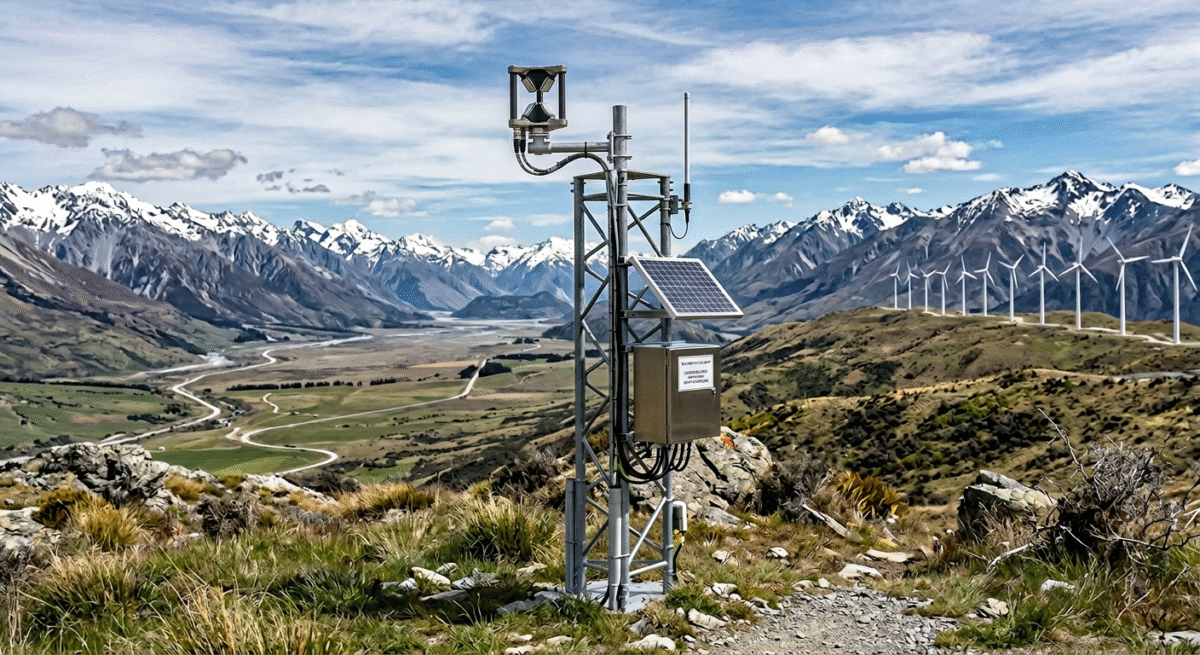
Understanding wind patterns is vital for climate research, as wind impacts weather systems, air quality, and environmental changes. Wind direction indicators provide the essential data researchers need to assess these patterns accurately. At the core, wind direction indicators measure the angle from which the wind blows. These instruments allow researchers to track wind shifts and […]

read more
Wind Speed Direction

Best Practices to Harness Wind Direction Indicators in Industrial Settings

Wind direction indicators play a vital role in various industrial environments. From managing emissions in manufacturing facilities to optimizing airflow in warehouses, wind direction indicators are essential.  These indicators can protect assets, boost efficiency, and ensure safe operations. Many industries rely heavily on reliable environmental sensors to support everyday decisions where accuracy truly matters. Why […]

read more
How to Evaluate Sensor Specs with Confidence

Part 3: How to Evaluate Sensor Specs with Confidence

Making Smart Decisions in a Spec-Obsessed Industry In Parts 1 and 2 of this series, we peeled back the curtain on “Spec Range Swagger”—the industry tendency to inflate environmental sensor specs beyond practical application. At Comptus, we’ve built our reputation on real-world performance, not marketing bravado. Now, let’s talk about how you—engineers, procurement teams, facility […]

read more
Wind Speed Measurement

Optimizing Turbine Performance with Continuous Meteorological Data

Wind energy production depends on sustained accuracy in environmental monitoring. A wind anemometer forms the foundation of this process, providing ongoing data critical to turbine function. Without consistent measurement of wind speed and direction, performance dips, mechanical stress builds, and output targets fluctuate. Industrial-grade meteorological equipment translates natural conditions into actionable insights for turbine operators. […]

read more
Propeller Anemometers

When Simplicity Wins: A Real-World Rebuttal to Propeller Anemometers

In the ongoing debate between propeller anemometers and 3-cup anemometers, manufacturers often highlight the advanced features of propeller-based sensors—like rapid response, finer resolution, and high-speed durability. But in real-world deployments, especially in harsh or remote environments, simplicity and mechanical resilience often matter more than marginal gains in lab-tested precision. The image above offers a compelling […]

read more
Wind speed and direction with translator

Can Wind Speed Instruments Predict the Next Big Storm?

Wind plays a significant role in shaping weather patterns. Shifts in atmospheric pressure cause air to move, creating different wind speeds and directions. These variations influence everything from temperature changes to storm development. When a storm begins to form, wind acts as both a driving force and an early indicator of potential severity. Rapid changes […]

read more

© 2026 Comptus. All Rights Reserved

Designed and Developed by: MacRAE'S - Online Marketing Agency