Skip to the content
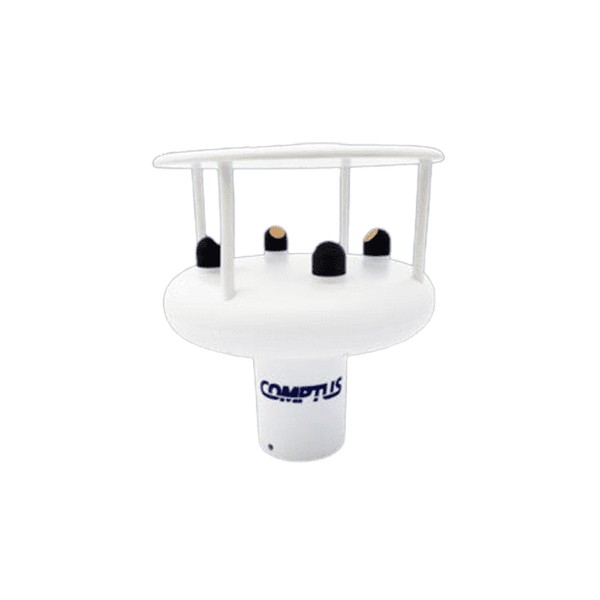
Environmental monitoring networks increasingly support automated decisions. Irrigation systems respond to local weather data. Wind monitoring systems inform turbine and equipment controls. Stormwater teams use rainfall data to assess changing site conditions.
When these networks supply inaccurate information, bad data becomes an operational risk. A failed sensor may stop reporting, but believable yet incorrect values can influence decisions for weeks.
The following warning signs can help organizations identify unreliable environmental data before it creates a larger problem.
1. Readings Have Drifted Slowly Enough That No One Noticed
Gradual sensor drift can be harder to identify than a sudden failure. The sensor continues reporting, and each change may appear too small to raise concern. Over time, however, the measurements move away from the actual conditions.
Signs of sensor drift include a steady change without a matching environmental cause or a growing difference from a reference instrument. Trend reviews can reveal changes before they affect operations.
2. Two Nearby Sensors Are Reporting Meaningfully Different Values
Nearby sensors do not always produce identical readings. Local conditions can create real differences, but a persistent unexplained difference deserves attention.
Cross-checking can expose calibration problems, mounting changes, contamination, or sensor siting errors. Teams should inspect both installations instead of assuming the higher or lower value is correct.
3. Data Gaps Are Being Filled In Without Anyone Flagging Them
Some platforms use interpolation to estimate missing values. However, estimates should not hide an equipment or communication outage.
Unmarked interpolation makes monitoring network data gaps look like continuous observations. Teams may then treat calculated values as measurements. Data systems should identify missing periods clearly and preserve the distinction between recorded and estimated information.
4. Calibration Records Are Incomplete or Undocumented
Missing calibration history is one of the clearest signs of a calibration lapse. Without records, no one can confirm when a sensor was checked, what reference was used, or whether it met the accepted tolerance.
Each important sensor needs a documented service history with inspection dates, verification results, and corrective actions.
5. A Sensor Is Mounted Somewhere It Was Never Designed to Perform Well
An accurate sensor can still produce unrepresentative data in the wrong location. Buildings and trees can disrupt airflow around wind sensors. Overhangs can block rainfall. Exhausts and reflective surfaces can distort temperature readings.
Check whether each location represents the measured condition. Review orientation, clearance, alignment, mounting stability, and environmental exposure. Correcting the site may matter more than replacing the sensor.
6. Alerts and Alarms Have Gone Quiet for a Suspiciously Long Time
A quiet alarm system can indicate stable conditions, but it can also signal a failed sensor, disconnected cable, incorrect threshold, or communication problem. The absence of alerts does not prove that the network is functioning.
Test alarms and control outputs at planned intervals. Confirm that the sensor, signal path, controller, and notification method all respond as expected.
7. Nobody Can Say When the Network Was Last Audited End to End
A network audit should follow data from the measurement point through the mount, wiring, power supply, transmitter, logger, software, alert, and final report.
Without this systematic review, small problems can remain hidden across several components. An end-to-end audit often reveals the conditions behind the other six warning signs.
Reliable Data Requires a Complete Network Review
Bad environmental data rarely comes from a single cause. Sensor selection, siting, calibration, power, communication, logging, and maintenance all influence whether a reading can be trusted.
The complete environmental monitoring reliability framework explains how to assess these factors as one connected system. Organizations seeing any of these seven signs should review the network before unreliable readings affect another operational decision.
Comptus can help evaluate sensor types, outputs, mounting requirements, and monitoring configurations for industrial, agricultural, renewable energy, building automation, and infrastructure applications. Contact Comptus to discuss a monitoring network review.