Skip to the content
Industrial Conditions Can Affect Sensor Accuracy
An atmospheric pressure sensor supports stable operation across many industrial systems. HVAC controls, environmental monitoring platforms, and automation systems all depend on accurate pressure readings. However, poor installation can create unstable data and ongoing system issues.
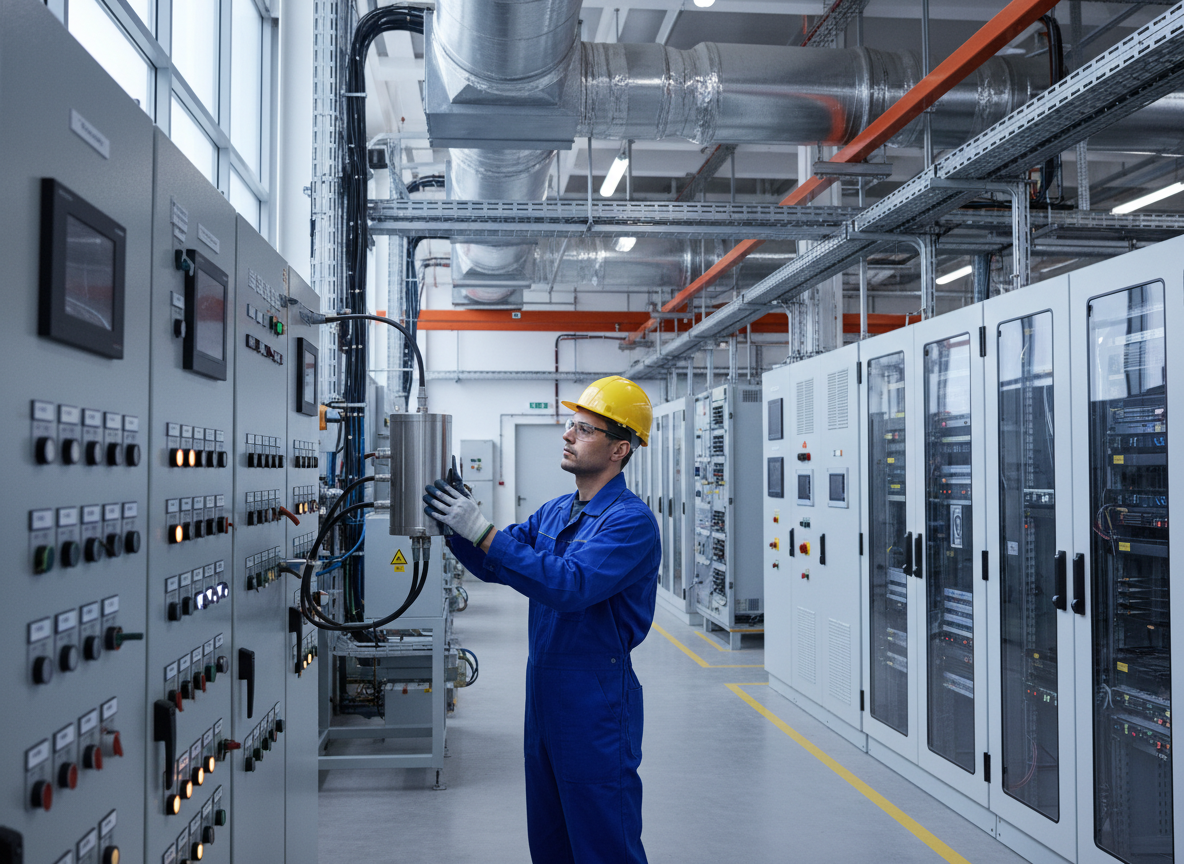
Many industrial facilities focus heavily on sensor selection but overlook installation conditions. Placement, wiring, airflow exposure, and nearby equipment can all affect long-term measurement stability. Addressing these factors early helps reduce the need for troubleshooting and recalibration later.
What factors affect atmospheric pressure sensor accuracy in industrial environments?
Sensor accuracy can be affected by airflow turbulence, vibration, thermal gradients, electromagnetic interference, and improper wiring practices.
Where should an atmospheric pressure sensor be installed?
An atmospheric pressure sensor should be installed away from direct airflow, heat sources, vibration-heavy equipment, and areas with unstable environmental conditions.
Identifying Common Atmospheric Sensors Interference Factors
Atmospheric sensors respond to changes in ambient pressure. Local disturbances near the sensor can cause readings that do not accurately reflect the ambient pressure.
Common interference sources include:
- Airflow turbulence
- Mechanical vibration
- Thermal gradients
- Electromagnetic interference
- Pressure fluctuations near fans or vents
For example, cleanroom pressure-balancing systems can become unstable when airflow near the sensor port causes false readings. Industrial motor drives and nearby process equipment may also affect signal quality if installation spacing is inadequate.
A site assessment before installation helps identify these risks before commissioning begins.
Framework for Strategic Atmospheric Pressure Sensor Placement
Proper placement plays a major role in sensor reliability. Even a high-quality atmospheric pressure sensor can produce inconsistent readings when mounted in the wrong location.
Installation planning should evaluate:
- Airflow movement
- Heat exposure
- Structural vibration
- Moisture exposure
- Accessibility for maintenance
A structured site review before installation helps reduce repositioning costs and operational delays.
Optimizing Physical Placement for Stable Measurements
Outdoor installations often require shielded enclosures to help reduce wind-driven pressure fluctuations and environmental exposure. Protective mounting strategies also help minimize the accumulation of moisture and debris around sensing ports.
Indoor environments require equal attention. Sensors installed near intake fans or turbulent airflow zones may produce unstable readings. Positioning the sensor too close to heat-generating equipment can also create temperature-related pressure distortion.
For improved stability:
- Mount sensors on structurally stable surfaces
- Avoid direct airflow paths
- Keep a distance from vibration-heavy equipment
- Reduce exposure to sudden temperature shifts
Consistent environmental conditions help maintain reliable long-term measurements.
Implementation of Atmospheric Pressure Sensor Integration
Once placement is confirmed, integration becomes the next priority. Proper wiring and signal management are essential for maintaining data quality across industrial systems.
Incorrect electrical installation can introduce:
- Signal noise
- Data instability
- Communication interruptions
- Measurement drift
Stable integration practices help maintain reliable sensor output throughout operation.
Establishing Atmospheric Pressure Gauge Output Protocols
The atmospheric pressure gauge output should meet the receiving system’s requirements before commissioning begins. Compatibility between the sensor and the control platform helps reduce communication issues and signal degradation.
Industrial systems commonly use:
- Analog voltage outputs
- Current loop outputs
- Digital communication protocols
Signal quality improves when unnecessary conversion stages are reduced between the sensor and controller. Long cable runs without shielding may also introduce output instability.
For improved performance:
- Use shielded cable routing
- Separate signal wiring from high-voltage conduit
- Verify grounding practices
- Confirm controller compatibility before startup
These steps help maintain stable signal transmission across the operating range.
Verifying Atmospheric Pressure Sensor Performance After Installation
Commissioning should always include a structured verification process. Skipping this step can leave installation issues undetected until operational problems appear later.
Verification typically involves comparing live sensor readings against a calibrated reference under stable environmental conditions. This process helps confirm that:
- Placement is suitable
- Wiring is functioning correctly
- Signal output remains stable
- Calibration alignment is accurate
Documenting baseline performance also creates a reference point for future maintenance and troubleshooting.
Maintenance and Calibration for Long-Term Reliability
Atmospheric sensors require periodic inspection to maintain consistent performance over time. Environmental exposure, vibration, and temperature fluctuations can gradually affect measurement accuracy.
Regular maintenance helps identify:
- Sensor drift
- Wiring degradation
- Contamination buildup
- Mounting instability
Maintenance schedules should reflect the operating environment. Facilities exposed to dust, moisture, or continuous vibration may require more frequent inspections.
Common maintenance practices include:
- Verifying calibration alignment
- Inspecting cable shielding and grounding
- Cleaning sensing ports and enclosures
- Reviewing signal consistency
Routine verification supports operational stability and long-term compliance requirements.
Also Read:
How to Tailor Barometric Pressure Sensors for Industrial Applications
The Benefits of Weather Sensors on Commercial Buildings: Improving Safety, Efficiency, and Building Automation Systems
Moving Toward More Stable Industrial Pressure Monitoring
Accurate atmospheric pressure measurement depends on more than just sensor selection. Placement strategy, wiring discipline, environmental exposure, and verification practices all influence long-term system performance.
A structured installation process helps reduce inaccurate readings, unstable control behavior, and unnecessary maintenance interruptions. As industrial systems continue relying on real-time environmental monitoring, proper sensor integration becomes increasingly important for operational consistency.
For more information about industrial atmospheric-pressure gauge monitoring solutions, contact Comptus.