Skip to the content
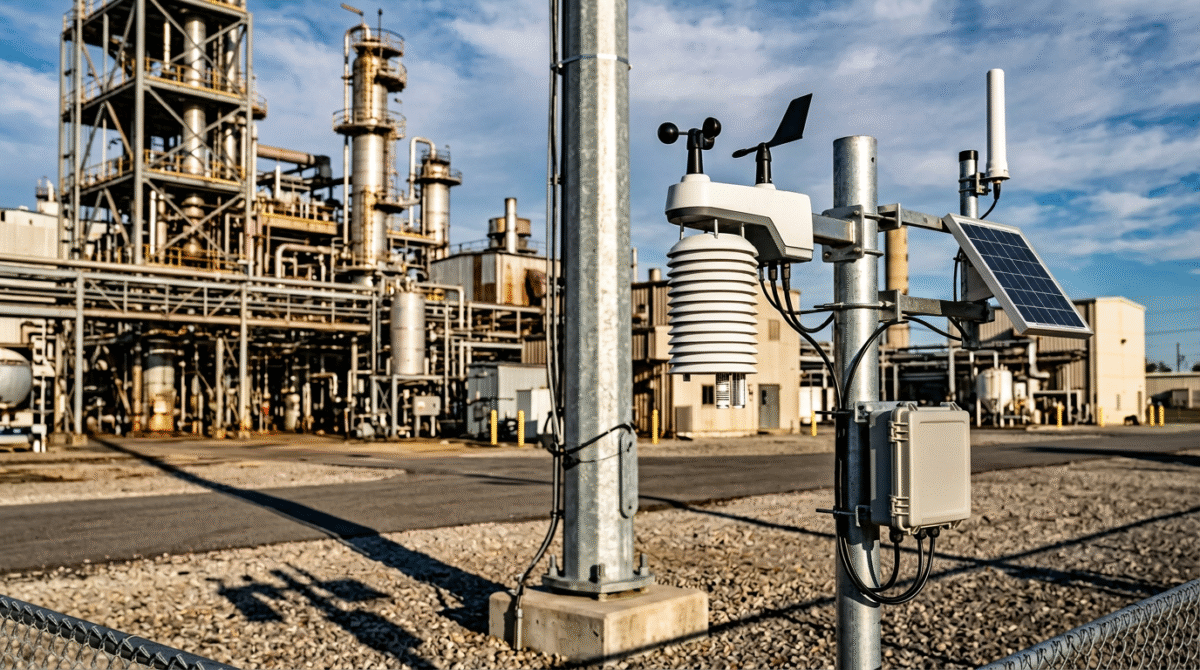
Environmental monitoring often involves measuring both temperature and moisture in the air. These two variables rarely act independently. Changes in air temperature directly influence how moisture behaves and how sensors interpret atmospheric conditions.
Measurements from relative humidity sensors are meaningful only when temperature variation is taken into account. For organizations relying on weather measurement instruments, recognizing this relationship improves environmental monitoring, equipment protection, and process control.
Does relative humidity depend on temperature?
Yes. Relative humidity changes when temperature changes because warmer air can hold more moisture than cooler air.
Why does humidity drop when the temperature rises?
When the temperature increases, the air’s moisture capacity increases. If moisture remains constant, the relative humidity percentage decreases.
Understanding Relative Humidity in Practical Terms
Relative humidity represents a percentage of saturation. It describes the amount of water vapor in the air relative to the maximum amount it can hold at a specific temperature.
For example:
- 50% relative humidity means the air contains half the moisture it could hold at that temperature.
- 100% relative humidity indicates saturated air, where condensation may begin forming.
This concept matters because the air’s capacity to hold moisture varies with temperature change. Therefore, relative humidity reflects both moisture content and air temperature, not moisture alone.
Why Temperature Changes Alter Relative Humidity Readings
Temperature directly affects how much water vapor the air can contain. Warm air expands and can hold more moisture. Cooler air holds less. Even when the actual amount of water vapor remains unchanged, relative humidity shifts as temperature changes.
Typical scenarios include:
- As temperature increases, relative humidity decreases if moisture levels remain constant.
- As temperature decreases, relative humidity rises because cooler air approaches saturation more quickly.
This explains why readings from relative humidity sensors fluctuate throughout the day. Morning air often shows higher humidity levels than afternoon air, even without additional moisture entering the atmosphere.
The Science Behind Temperature and Relative Humidity Interaction
The concept of saturation vapor pressure governs the interaction between temperature and moisture. Warmer air molecules move more actively, allowing additional water vapor molecules to remain suspended.
As air cools, molecular motion slows, and it can hold less water vapor. Excess moisture then condenses into droplets or fog.
The relationship can be summarized in simple terms:
- Higher temperatures increase the air’s moisture capacity
- Lower temperatures reduce the air’s moisture capacity
- Relative humidity shifts based on how close the air is to saturation
Because relative humidity is calculated relative to saturation levels, temperature variation directly influences humidity readings.
Common Measurement Challenges in Industrial Environments
Industrial environments often present conditions that complicate humidity measurement.
Several factors affect accuracy:
- Rapid temperature swings near equipment or ventilation systems
- Direct solar exposure on outdoor sensors
- Air stratification within large facilities
- Heat sources near monitoring equipment
These conditions can cause relative humidity sensors to register misleading values if temperature readings are not properly accounted for. The placement of temperature and humidity sensors with proper environmental shielding is essential in these environments.
The Role of Temperature Compensation in Humidity Sensors
Modern humidity sensors frequently include temperature compensation mechanisms. These systems adjust humidity calculations using real-time temperature data.
Temperature compensation helps ensure that relative humidity readings reflect actual atmospheric conditions rather than sensor drift caused by temperature changes.
Key benefits include:
- Improved measurement accuracy
- Reduced environmental interference
- Stable long-term monitoring results
Weather monitoring systems commonly integrate temperature and humidity sensors into a single measurement assembly to maintain consistent data correlation.
Applications Where Temperature-Driven RH Variation Matters Most
Many industries rely on accurate humidity readings influenced by temperature conditions.
Important examples include:
- Data Centers: Humidity control helps prevent condensation and electrostatic discharge.
- Agriculture and Crop Monitoring: Temperature and humidity influence plant disease development and irrigation planning.
- Industrial Manufacturing: Moisture levels affect materials such as paper, textiles, and coatings.
- Building Automation Systems: Temperature and humidity monitoring help regulate indoor comfort and HVAC performance.
- Environmental Monitoring Stations: Temperature-driven shifts in humidity help interpret broader atmospheric conditions.
Reliable measurement instruments support better decision-making in each of these environments.
Best Practices for Accurate Relative Humidity Measurement
Accurate monitoring requires attention to both equipment configuration and environmental conditions.
Recommended practices include:
- Position sensors away from heat sources or reflective surfaces
- Use radiation shields for outdoor instruments
- Maintain regular calibration schedules
- Monitor temperature alongside humidity readings
- Install sensors where airflow reflects true environmental conditions
Following these practices reduces measurement errors caused by temperature-related variations.
Also Read:
Relevance of Humidity Sensors in Various Industries
Does Relative Humidity Readings Depend on Changing Temperature?
How Temperature and Humidity Sensors Capture Real-Time Environmental Data
Turning Temperature and Humidity Data Into Reliable Insights
Temperature variation plays a central role in interpreting relative humidity measurements. Since air’s moisture capacity varies with temperature, humidity readings must always be considered in the context of temperature data.
Accurate environmental monitoring depends on reliable measurement instruments, proper sensor placement, and an understanding of how atmospheric variables interact. Organizations that require reliable temperature and relative humidity sensors may contact Comptus for monitoring solutions.