Skip to the content
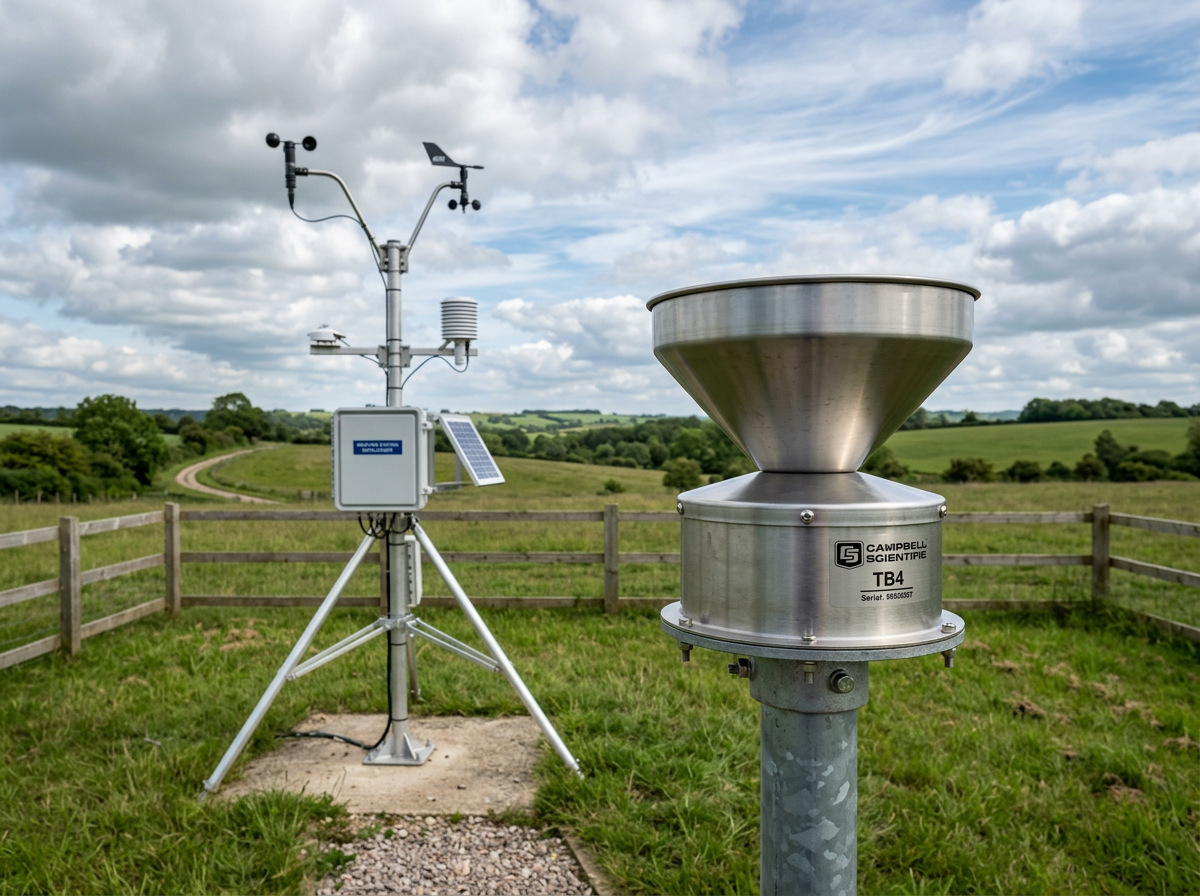
Reliable rainfall data supports important decisions across agriculture, stormwater management, environmental research, and municipal planning. However, selecting the wrong rain gauge can introduce measurement errors that affect reporting accuracy, maintenance schedules, and long-term data quality. These issues often become difficult and expensive to correct after installation.
Organizations that buy rain gauge equipment for professional applications should understand the factors that influence measurement performance before making a purchasing decision. Catchment size, sensor technology, calibration practices, and output compatibility all contribute to accurate precipitation monitoring. Evaluating these specifications early helps reduce operational challenges and supports dependable environmental data collection.
What should be considered before buying a professional rain gauge?
Important factors include catchment size, sensor technology, calibration support, environmental durability, output compatibility, and integration with existing monitoring systems.
What is the difference between a tipping bucket rain gauge and an optical rain gauge?
A tipping bucket rain gauge measures rainfall using a mechanical tipping mechanism, while an optical rain gauge uses sensor-based technology to detect precipitation without moving parts.
Understanding NWS Rain Gauge Requirements
The National Weather Service (NWS) follows established standards to promote consistency across precipitation monitoring networks. While specific requirements vary by application, several key factors influence whether a rain gauge can deliver reliable measurements.
Important considerations include:
- Standardized catchment openings
- Accurate measurement resolution
- Proper installation practices
- Calibration verification
- Consistent data output
Catchment size is particularly important because it affects how rainfall enters the collection area. Smaller or non-standard openings may produce less consistent readings during intense rainfall events or windy conditions. Equipment designed in accordance with recognized meteorological standards helps support more dependable long-term monitoring.
Why Professionals Buy Rain Gauge Systems for Accuracy
Organizations often buy rain gauge systems to improve the accuracy of environmental monitoring and support operational decision-making. Accurate rainfall measurements help facilities respond to changing conditions while maintaining reliable historical records.
Key Factors That Affect Rain Gauge Accuracy
Several factors influence performance:
- Catchment design
- Sensor resolution
- Calibration traceability
- Installation location
- Environmental exposure
- Output compatibility
High-resolution sensors help capture changes in precipitation intensity more effectively. This becomes especially important during storms, when rainfall rates can fluctuate rapidly over short periods.
Calibration also plays a significant role. Instruments supplied with documented calibration procedures and field verification options help support consistent long-term measurement performance. Establishing a routine verification schedule further improves confidence in collected data.
Selecting the Right Rain Measurement Instrument for Field Applications
Different technologies serve different monitoring needs. Selecting the appropriate rain measurement instrument depends on operating conditions, maintenance expectations, and data collection requirements.
Tipping Bucket Rain Gauges
Tipping bucket systems remain widely used in professional weather monitoring networks. These devices collect rainfall in a small bucket assembly that tips once a predefined amount of precipitation is reached.
Advantages include:
- Proven measurement methodology
- Compatibility with data loggers
- Simple pulse-based outputs
- Broad industry adoption
Tipping bucket designs are commonly used in agricultural, municipal, and environmental monitoring applications.
Optical and Non-Mechanical Technologies
Some monitoring environments benefit from sensor technologies that operate without moving components. Optical precipitation sensors use advanced detection methods to measure rainfall events while reducing concerns related to mechanical wear.
These systems may be suitable for:
- Remote monitoring sites
- High-maintenance environments
- Locations with frequent precipitation
- Applications requiring reduced service intervals
Selecting between mechanical and non-mechanical systems depends on site-specific requirements and maintenance capabilities.
Environmental Durability Matters
Rain gauges often operate in challenging outdoor conditions for extended periods. Exposure to moisture, ultraviolet radiation, temperature fluctuations, and debris can affect long-term performance.
Before purchasing equipment, evaluate:
- Housing materials
- Corrosion resistance
- UV protection
- Environmental sealing
- Mounting stability
Durable construction helps support consistent operation and reduces the likelihood of premature equipment replacement.
Environmental protection ratings should also align with local conditions. Sites exposed to severe weather may require additional protection measures compared to installations in more controlled environments.
Output Compatibility and System Integration
Rainfall data is most valuable when it integrates smoothly with existing monitoring infrastructure. Compatibility should be verified before installation to avoid communication challenges later.
Key integration considerations include:
- Signal output type
- Data logger compatibility
- Communication protocols
- Power requirements
- Network connectivity
Many organizations operate established monitoring systems that collect information from multiple environmental sensors. Selecting a rain gauge that supports existing infrastructure can simplify deployment and reduce integration costs.
Reviewing technical documentation before purchase helps ensure compatibility with current monitoring platforms.
Where to Buy Rain Gauge Equipment for Commercial Applications
Commercial buyers often require more than basic product specifications. Technical support, installation guidance, and integration assistance can play a significant role in overall project success.
When evaluating suppliers, consider:
- Product expertise
- Technical support availability
- Calibration services
- Warranty coverage
- Integration assistance
- Long-term product support
Working with vendors that specialize in environmental monitoring equipment can help simplify the evaluation process. Access to knowledgeable support teams often reduces deployment risks and improves long-term system performance.
Organizations should also request detailed product specifications before making purchasing decisions. Reviewing catchment dimensions, output formats, calibration procedures, and environmental ratings helps ensure the selected equipment aligns with project requirements.
Also Read:
Finding the Right Rain Gauge for Precise Weather Monitoring
How Rain Gauges and Radar Work Together to Deliver More Reliable Rainfall Data
Making a More Confident Rain Gauge Purchase
Accurate precipitation monitoring begins with selecting equipment that aligns with operational goals and recognized measurement standards. Catchment design, sensor technology, environmental durability, calibration support, and system compatibility all influence long-term performance.
Organizations seeking dependable environmental monitoring should carefully evaluate specifications before making a purchasing decision. Contact Comptus to buy rain gauges online for professional applications, review available solutions, and get valuable insight into selecting equipment that supports accurate, long-term rainfall measurement.