Skip to the content
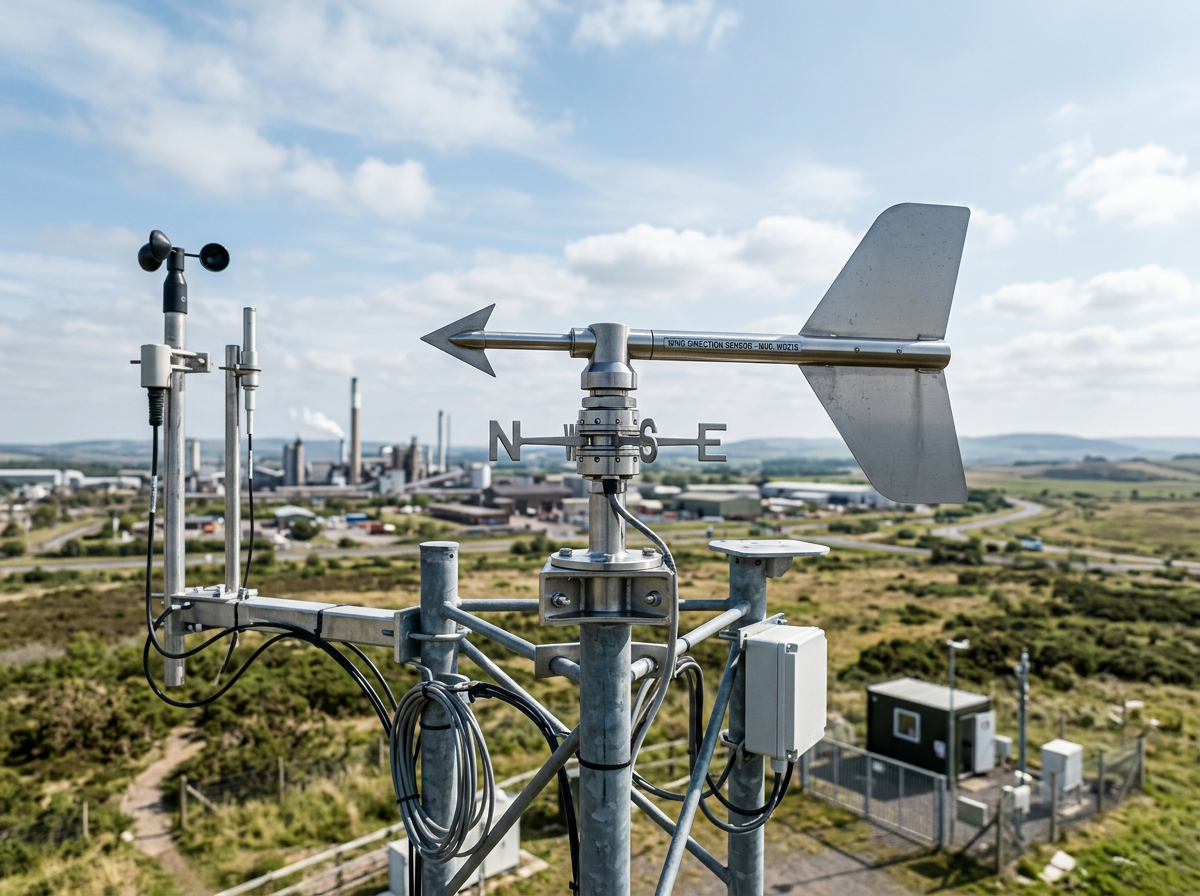
Wind direction data plays an important role in environmental monitoring, operational planning, and weather analysis. Industries that rely on accurate atmospheric information require dependable instruments capable of delivering consistent measurements. A wind direction instrument provides critical insight into airflow patterns, helping organizations make informed decisions based on real-time conditions.
From weather stations and agricultural operations to construction projects and industrial facilities, accurate wind direction measurement supports safety, efficiency, and regulatory compliance.
How does a wind direction instrument determine wind direction?
A wind direction instrument uses a vane that rotates with the airflow and aligns with the wind. Sensors then convert the vane’s position into directional data for monitoring and analysis.
Why is a wind direction indicator important for environmental monitoring?
A wind direction indicator helps organizations track airflow patterns, support weather analysis, improve safety planning, and strengthen environmental monitoring programs with accurate directional data.
Why Wind Direction Measurement Matters
Understanding wind direction helps organizations evaluate changing environmental conditions. Directional data often complements wind speed measurements to provide a complete picture of local weather patterns.
Accurate measurements can support:
- Site safety assessments
- Environmental monitoring programs
- Air quality studies
- Construction planning
- Renewable energy evaluations
Without reliable directional data, organizations may face challenges when interpreting weather conditions or responding to changing operational requirements.
How Wind Vanes Measure Wind Direction
A wind vane is one of the most widely used tools for measuring wind direction. It operates using a balanced design that allows the instrument to align with airflow.
As wind moves across the vane, the larger surface area experiences a greater force. This causes the vane to rotate until it points into the wind. Sensors then convert this position into directional data that can be displayed, recorded, or transmitted to monitoring systems.
Modern wind vane systems often incorporate advanced sensing technologies that improve accuracy and reduce maintenance requirements.
Components of a Wind Direction Instrument
Several components work together to ensure accurate directional measurements.
Wind Vane Assembly
The vane responds to airflow and aligns with the prevailing wind direction.
Direction Sensor
The sensor converts vane movement into electrical signals for monitoring and data collection.
Mounting System
Proper mounting helps minimize interference from nearby structures and ensures accurate readings.
Data Interface
Many systems connect directly to weather stations, control systems, or environmental monitoring platforms.
Together, these components allow a wind direction instrument to provide reliable directional information under a variety of operating conditions.
Factors That Influence Measurement Accuracy
Several environmental and installation factors can affect wind direction performance.
Mounting Location
Nearby buildings, trees, or equipment can create turbulence that alters airflow patterns.
Sensor Quality
Higher-quality sensors typically provide more stable and repeatable measurements.
Environmental Conditions
Dust, ice, moisture, and debris can impact moving components over time.
Calibration and Maintenance
Regular inspection and calibration help maintain measurement accuracy and long-term reliability.
Addressing these factors helps ensure that collected data accurately reflects real-world conditions.
Applications Across Industries
Wind direction measurements support a wide range of industrial and environmental applications.
Weather Monitoring
Meteorological stations use directional data to track weather systems and analyze atmospheric conditions.
Agriculture
Farm operators monitor wind movement when planning irrigation activities and crop protection programs.
Construction
Project teams evaluate wind conditions to support safety planning and equipment operation.
Environmental Monitoring
Researchers use directional information to study pollutant movement and air quality patterns.
Renewable Energy
Wind assessments often require both speed and directional data to evaluate site performance.
In many of these applications, a wind direction indicator provides essential information that supports operational decision-making.
Supporting Reliable Environmental Data
Accurate directional measurements contribute to stronger environmental monitoring programs. Consistent data collection allows organizations to identify trends, improve forecasting, and support regulatory reporting requirements.
When combined with wind speed measurements, directional information creates a more complete understanding of local atmospheric conditions. This helps organizations evaluate environmental changes and respond appropriately.
Also Read:
How Ultrasonic Sensors Capture Wind Speed With Precision
How Accurate Wind Direction Indicators Support Climate Research
Best Practices to Harness Wind Direction Indicators in Industrial Settings
Choosing the Right Measurement Solution
Selecting the appropriate instrument depends on environmental conditions, installation requirements, and monitoring objectives. Factors such as sensor technology, durability, maintenance requirements, and system compatibility should be carefully evaluated.
A dependable wind direction instrument helps organizations collect accurate weather data, improve environmental awareness, and support informed operational decisions. Whether used in weather stations, industrial facilities, or research programs, a reliable wind direction indicator remains an important component of effective atmospheric monitoring.
Contact Comptus to learn more about reliable wind-monitoring solutions that support accurate environmental data collection and long-term operational performance.