Skip to the content
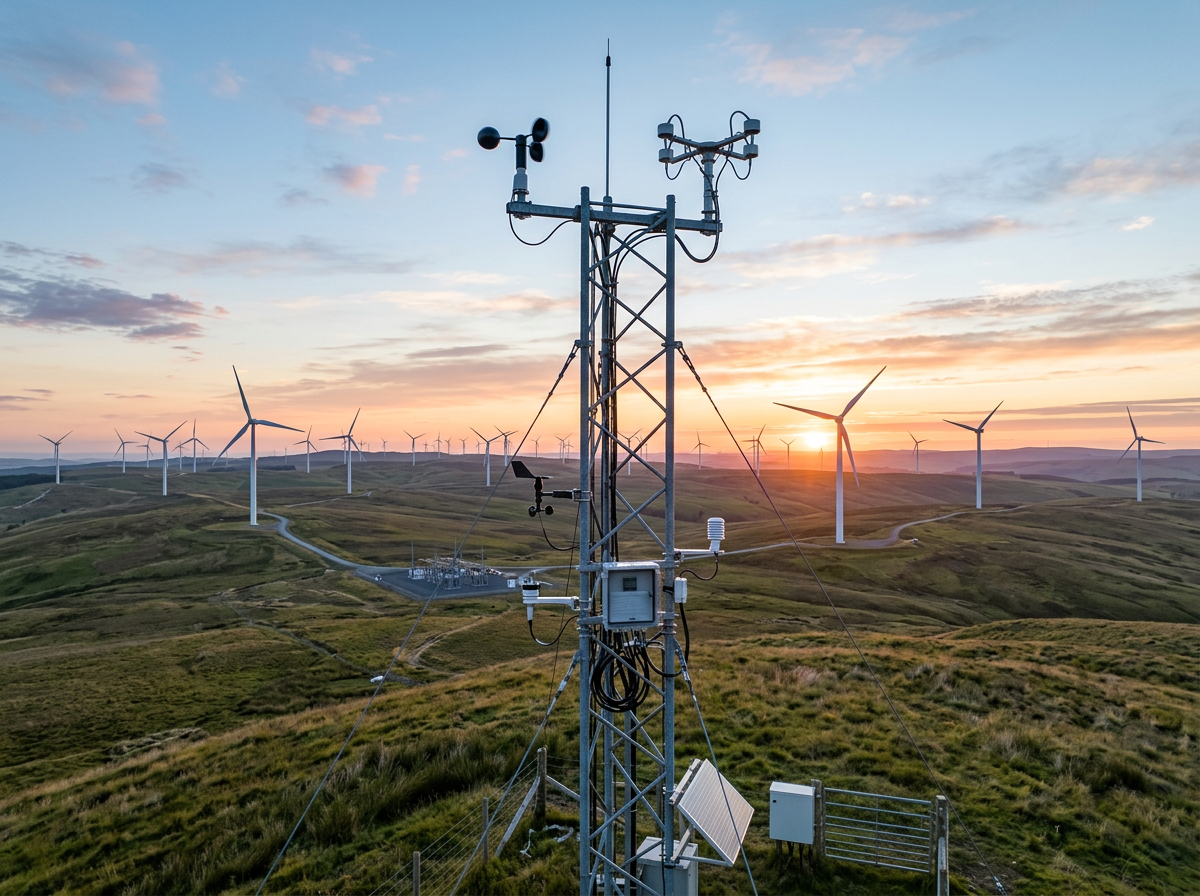
Small inaccuracies in wind measurements can affect energy forecasts, equipment planning, and long-term operational performance. Renewable energy facilities rely on environmental data to make informed decisions, so measurement accuracy is critical to project success.
A wind speed measuring device helps facilities monitor airflow conditions in real time. The data collected supports site assessment, equipment operation, safety planning, and performance monitoring. Understanding how these devices work can help operators select equipment that aligns with both operational requirements and long-term monitoring goals.
What is a wind speed measuring device used for?
A wind speed measuring device measures airflow velocity and provides data for renewable energy projects, environmental monitoring, weather observation, and industrial operations.
How do ultrasonic wind sensors differ from cup anemometers?
Ultrasonic wind sensors use sound waves to measure wind speed and direction without moving parts, while cup anemometers use rotating cups to capture airflow and calculate wind velocity.
What Is a Wind Speed Measuring Device?
A wind speed measuring device measures the velocity of moving air. These instruments collect environmental data that helps operators understand local wind conditions and respond appropriately.
Wind speed measurements support a variety of renewable energy activities, including:
- Site assessment and resource evaluation
- Turbine placement planning
- Operational monitoring
- Performance analysis
- Environmental reporting
Accurate measurements provide a reliable foundation for decision-making throughout the lifecycle of a renewable energy project.
How a Wind Speed Measuring Device Works
Most wind speed measuring devices convert airflow movement into a measurable signal. This signal is then transmitted to monitoring systems, where it can be analyzed and recorded.
The basic process includes:
- Wind interacts with the sensing element.
- The sensor detects airflow movement.
- The device converts that movement into an electrical signal.
- The signal is transmitted to a monitoring or control system.
- Data is recorded and used for analysis.
The sensing method varies depending on the type of instrument being used.
Common Types of Wind Measurement Technology
Mechanical Cup Anemometers
Mechanical cup anemometers remain widely used throughout renewable energy and environmental monitoring applications.
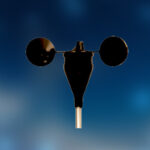
These devices use rotating cups mounted on a vertical shaft. As wind pushes against the cups, the shaft rotates. The rotation speed is then converted into a signal representing wind velocity.
Mechanical systems are often selected because they are familiar, widely accepted, and straightforward to integrate into many monitoring platforms.
Ultrasonic Wind Sensors
Ultrasonic wind sensors measure airflow using sound waves rather than moving components.
The sensor transmits ultrasonic signals between transducers. By analyzing how airflow affects signal travel time, the system calculates wind speed and direction.
Because ultrasonic sensors operate without rotating parts, they can reduce certain maintenance considerations associated with mechanical assemblies.
Why Accurate Wind Data Matters for Renewable Energy
Supporting Site Assessment Decisions
Before renewable energy projects move forward, developers need reliable information about local wind conditions.
Wind measurements help determine:
- Resource availability
- Seasonal wind patterns
- Site suitability
- Equipment selection requirements
Accurate environmental data supports better planning and reduces uncertainty during project development.
Improving Operational Monitoring
Once a facility becomes operational, wind anemometer measurements continue to play an important role.
Operators use wind data to:
- Monitor environmental conditions
- Compare expected and actual performance
- Support maintenance planning
- Evaluate long-term trends
Reliable measurements help create a clearer picture of overall system performance.
Supporting Safety Programs
Weather conditions can influence operational safety across renewable energy facilities.
Wind monitoring systems help operators identify changing conditions that may affect maintenance activities, inspections, and equipment operation. Real-time visibility allows teams to respond more effectively when conditions shift.
Mechanical vs Ultrasonic Wind Sensors
Both technologies are commonly used across renewable energy projects. The most suitable option often depends on environmental conditions, maintenance expectations, and integration requirements.
| Feature | Mechanical Cup Anemometers | Ultrasonic Sensors |
| Measurement Method | Rotating cups | Sound wave technology |
| Moving Parts | Yes | No |
| Maintenance Requirements | Periodic inspection may be required | Reduced mechanical maintenance |
| Environmental Exposure | Performance depends on component condition | Less affected by mechanical wear |
| Integration | Common in many existing systems | Increasingly used in modern monitoring platforms |
Both technologies continue to play important roles across renewable energy applications.
Best Practices for Wind Sensor Installation
Even highly accurate sensors can produce unreliable data if installation is not properly planned.
Important considerations include:
Mounting Location
Nearby structures can alter airflow patterns and affect measurements. Proper placement helps reduce measurement distortion.
Sensor Height
Installation height should align with project objectives and monitoring requirements. Consistent placement improves data quality and comparability.
Routine Inspection
Environmental monitoring equipment operates continuously in outdoor conditions. Regular inspections help identify wear, contamination, or physical damage before they affect data quality.
Data Verification
Periodic verification helps ensure measurements remain consistent over time. Establishing a review schedule supports long-term monitoring accuracy.
Choosing the Right Wind Speed Measuring Device
Selecting a wind speed measuring device involves more than comparing specifications.
Decision-makers should evaluate:
- Measurement requirements
- Environmental conditions
- Integration needs
- Maintenance expectations
- Data reporting requirements
- Long-term operational goals
The right solution depends on how the data will be used and the conditions in which the equipment will operate.
Also Read:
Can Wind Speed Instruments Predict the Next Big Storm?
How Accurate Wind Direction Indicators Support Climate Research
Best Practices to Harness Wind Direction Indicators in Industrial Settings
Moving Toward More Reliable Wind Monitoring
Renewable energy projects depend on accurate environmental information to support planning, monitoring, and operational decision-making. A wind speed measuring device serves as a critical source of that information, helping facilities maintain visibility into changing wind conditions.
Whether using mechanical or ultrasonic technology, selecting equipment that matches operational needs can improve data quality and support long-term monitoring objectives. Contact Comptus to review wind-speed instruments and solutions, and to evaluate options that align with their specific application requirements.