Skip to the content
ISO published ISO 16079-1:2026 in June 2026, replacing the 2017 edition. The standard addresses condition monitoring and diagnostics for wind turbines.
Its foreword identifies the revision as editorial. That distinction matters: the new edition should not be presented as a wholesale change in technical requirements.
For wind farm operators, the publication provides an opportunity to review existing monitoring practices. The useful question is whether current measurements support clear, timely maintenance decisions.
What does ISO 16079-1 cover?
ISO 16079-1 provides guidance for selecting condition monitoring methods for wind power components. It covers failure detection, diagnostics, and prognostics. It does not specify the information technology systems used for monitoring.
Does ISO 16079-1:2026 introduce major technical changes?
The foreword identifies the 2026 edition as an editorial revision of the 2017 edition. It should not be presented as a wholesale change in monitoring requirements. Operators can use the updated edition to review existing procedures.
What the Standard Covers
ISO 16079-1 provides guidance for selecting methods to detect failures, diagnose problems, and assess future condition in wind power components. It does not specify the information technology systems used for monitoring.
The series also excludes safety monitoring systems from its intended coverage. Operators should keep those functions distinct when reviewing their monitoring arrangements.
The following considerations are practical recommendations for that review, rather than a list of new requirements introduced in 2026.
Connect Each Measurement to a Maintenance Decision
Begin with the equipment and failure conditions the monitoring program needs to assess.
For each measurement, ask what a changing value would mean. Identify who reviews it and what additional evidence they need before acting.
A useful review should establish:
- The component or operating condition under observation
- The reason for collecting the measurement
- The conditions that trigger further investigation
- The person responsible for evaluating the result
- The maintenance decision the information can support
This exercise gives each data stream a defined purpose. It also helps procurement teams discuss monitoring requirements before selecting additional equipment.
Give Environmental Measurements a Clear Role
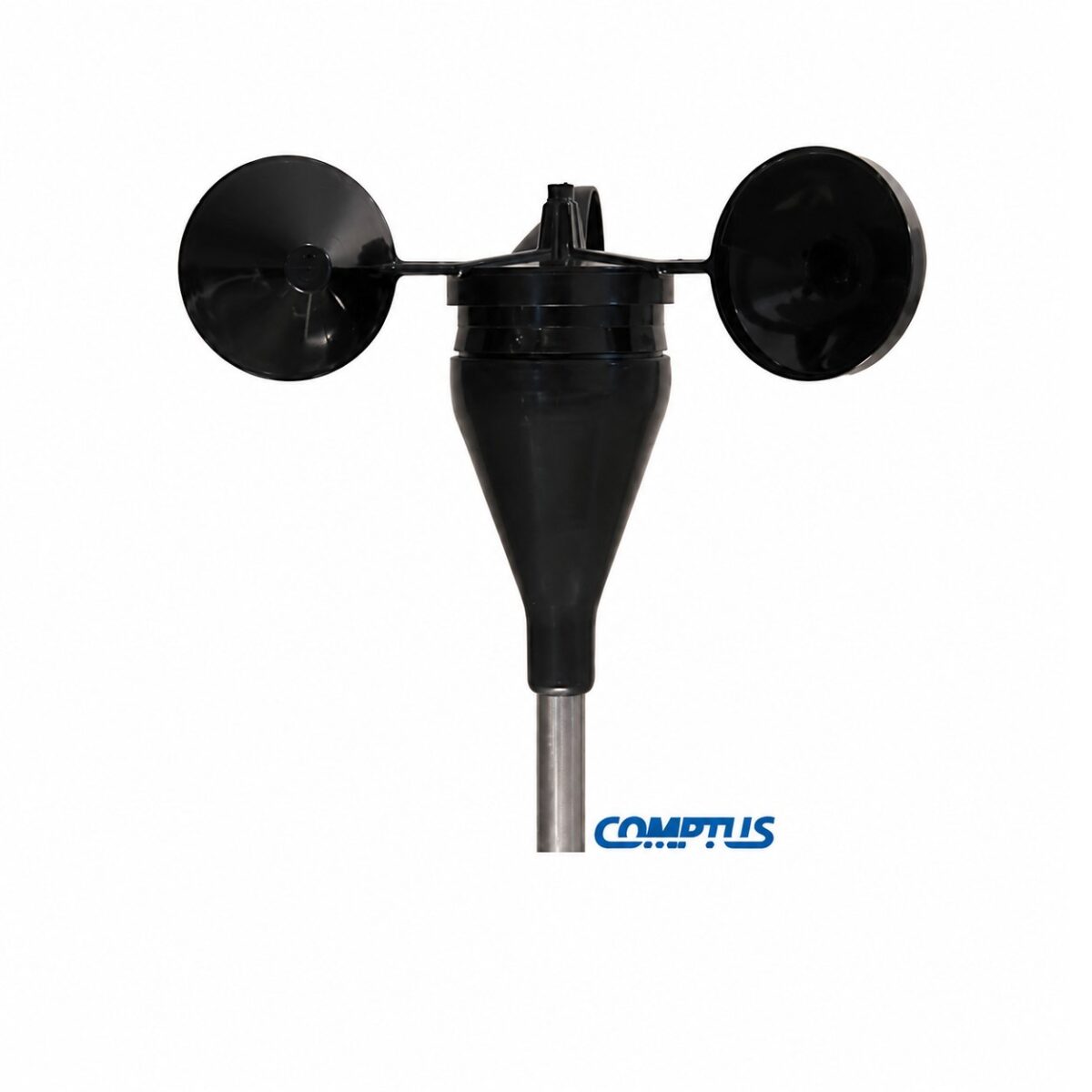
Where a monitoring program uses wind speed, direction, or ambient temperature, document how those readings inform the assessment.
Environmental measurements can provide operating context. They do not independently establish the condition of every turbine component.
Keep the distinction clear when defining an investigation. A change in local wind conditions and a developing equipment fault require different supporting evidence.
Check whether environmental sensors represent the assessed location. Review placement, orientation, exposure, and the relationship between sensor timestamps and equipment records.
These checks help teams decide whether they can compare records meaningfully before interpreting a change.
Review the Path Between Measurement and Response
A monitoring review should follow information through the complete system.
Confirm that the sensor produces the expected output. Check how the receiving equipment converts, timestamps, stores, and displays that signal.
Then review what happens when readings disappear or become questionable. Define who receives the notification and who investigates.
Make those responsibilities visible to operations and maintenance teams. Include arrangements for shift changes, unresolved alerts, and measurements awaiting confirmation before further use. A notification without an assigned response can leave an unresolved fault waiting between departments.
Record configuration changes so later reviewers can distinguish an equipment trend from a change in how the system handles data.
Match Monitoring Complexity to Available Resources
Before adding sensors or analysis tools, assess the work required to support them.
Include installation access, inspection, calibration, troubleshooting, staff training, and review time in the decision.
Ask suppliers how the proposed equipment fits the existing signal path. Confirm compatible outputs and identify additional integration work.
Where continuity matters, review shared dependencies such as power supplies and communication equipment. Duplicate sensors alone may leave those dependencies unresolved.
Evaluate proposed changes against a specific monitoring need. The publication of a revised standard is a reason to review suitability, not evidence that every installation needs replacement.
Use the Updated Edition as a Review Point
Start by identifying procedures and procurement documents that reference the earlier edition. Have the responsible technical team assess them against the current document.
Keep records of the review, its findings, and any resulting actions. This creates a useful handover for future maintenance and purchasing decisions.
For the environmental measurement portion, the sensor network reliability framework covers selection, siting, integration, and ongoing care.
Contact Comptus to discuss wind and environmental sensor configurations for the site’s measurement requirements.
Does installing an environmental sensor establish conformity with ISO 16079-1?
No. Installing a sensor alone does not demonstrate that a monitoring program follows the standard. The responsible technical team must assess the complete monitoring approach and the purpose of each measurement.
Can environmental measurements replace turbine component monitoring?
No. Environmental measurements describe conditions around the installation. Component monitoring assesses the equipment itself. Where both are used, teams should review the records together while keeping their purposes separate.
What should wind farm operators review when updating monitoring procedures?
Review references to the earlier edition, measurement purposes, signal handling, alert ownership, and maintenance responsibilities. Document who evaluates questionable readings and what evidence supports further action.