Skip to the content

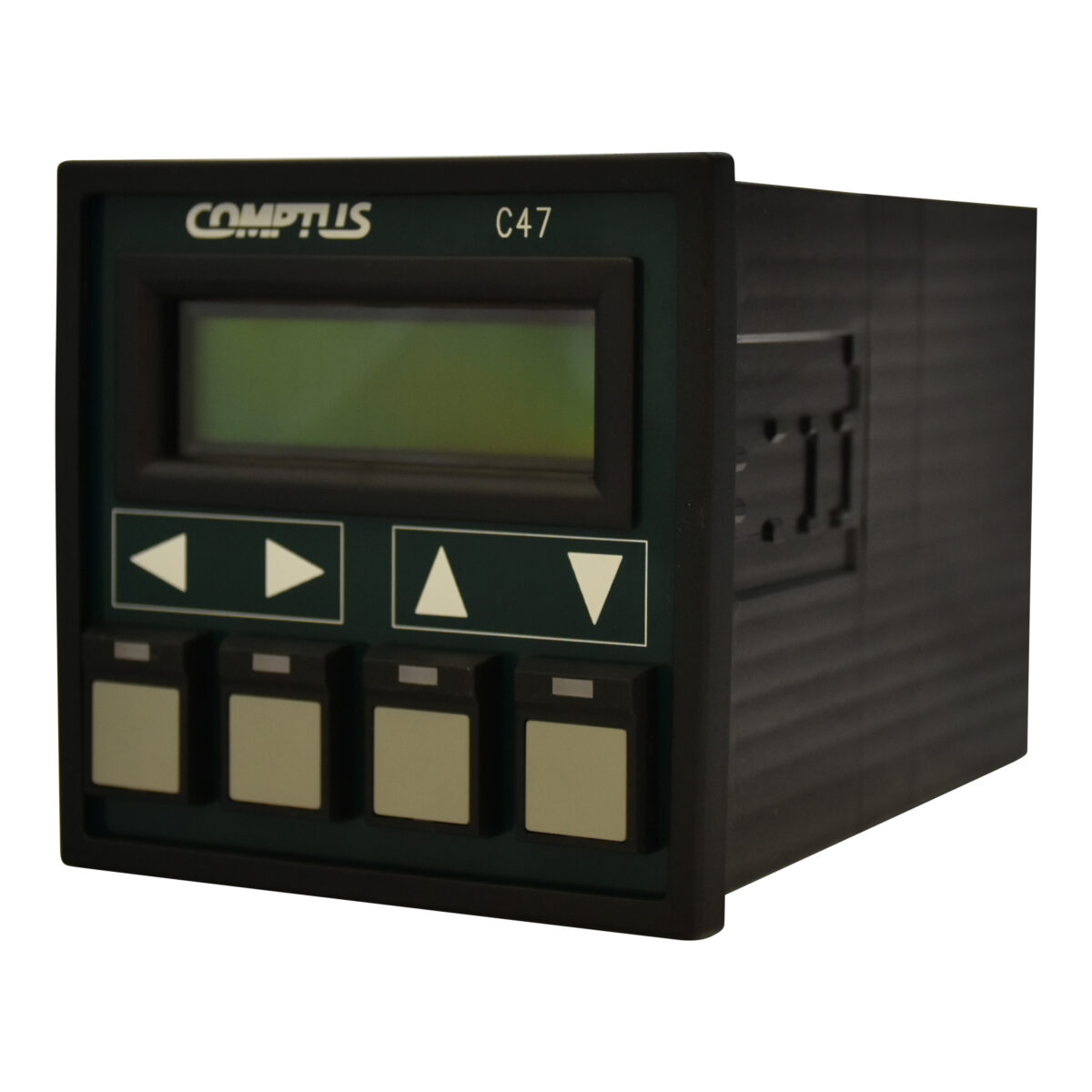
Wind speed can rise while a crew works away from the control panel. A beacon can warn the crew, while a controller can use the same reading to start an equipment response. Both depend on knowing which wind reading to use and what should happen when it reaches the threshold.
Can one wind alarm system use more than one set point?
Yes, if the controller supports multiple set points. A lower threshold can give an operator an early warning. A higher threshold can call for a different response under the facility’s operating procedure.
Do wind alarms respond to gusts or average wind speed?
That depends on the controller and its configuration. Check which wind measurement the controller can use for the alarm. A longer average can smooth out a brief gust, so match the setting to the application’s needs.
What Is a Wind Alarm Set Point?
A high-speed wind alarm set point is the wind speed threshold a controller uses to activate a configured output. Specify the value in the controller’s units, such as miles per hour or meters per second. The controller applies that value to the configured wind reading.
Why Facilities Use Wind Thresholds
Thresholds give each shift the same starting point for its response. An early warning can give staff time to act before wind reaches a separate operating limit. Route the warning to the people who can respond, including when the main control panel is unattended. Include the sensor location in the alert if one panel receives readings from several areas.
How a Wind Alarm System Works
An anemometer measures wind speed and sends a signal to a compatible controller. The controller compares the relevant reading with the set point. When the reading meets the configured condition, an output can activate a beacon or signal another controller.
Match the sensor’s output to the controller’s input. If the facility needs a warning and a separate equipment response, check whether the controller supports both outputs.
Where Wind Alarms Can Support Operations
- Building automation. A building controller can use a wind input to retract a motorized awning.
- Outdoor material handling. A wind alert can prompt a crane operator to follow the site’s wind response procedure. Base the response on the equipment manufacturer’s operating instructions.
- Facility grounds. A controller can pause a fountain when wind could carry spray beyond the basin.
Alarm vs Automated Control
| Response | What the system does | What to verify |
| Alarm | Notifies an operator through an audible warning, a visual indicator, or a message. | Who receives it and what the procedure directs them to do. |
| Automated control | Uses the reading to initiate a programmed equipment action. | Whether the equipment completes the action and how the system handles restart. |
A facility can use both responses for the same event. Define who checks the equipment state after an automatic action.
How Should Wind Alarm Thresholds Be Selected?
Start with the equipment manufacturer’s wind limits and the facility’s approved operating procedure. Record the source of each threshold and the action it calls for. Match the wind measurement to the procedure. If the procedure specifies a gust limit, verify that the system measures gusts over the required time window.
Check whether any averaging or activation delay leaves enough time for the required response. Agree on the conditions that clear the alarm. Define separately when the equipment can restart and whether an operator must authorize it.
Why Sensor Accuracy Matters for Alarm Decisions
A sensor that reads low near the set point can delay an alarm. A parapet can shelter a sensor while the equipment remains exposed. Check the sensor’s accuracy near the threshold and the exposure at its mounting point. Reassess the location if new structures change the airflow around it.
Confirm that the controller interprets the signal using the correct range and units. Review those requirements when selecting a wind speed measuring device.
Turning Wind Data Into Operational Information
Before relying on a set point, test the configured response with the controls team. Verify when the alarm activates and clears. Check the alert at the operator’s position and confirm that connected equipment reaches the intended state. Record the settings and test results. Repeat the checks after changes that affect the alarm response. If both systems log events, compare the alarm timestamp with the equipment status record to check response time.
Share your monitoring location and required alarm outputs when you contact Comptus.
Can a wind alarm use an existing anemometer?
Yes, if the controller accepts the anemometer’s output. Check the signal type and confirm the input range and scaling. Verify the reading at the controller before putting the alarm into service.
Why does a wind alarm keep turning on and off?
Readings that repeatedly cross the threshold can cause the alarm to cycle. Review the recorded wind and the controller’s reset settings. Ask the controls team to check any changes against the required response time.
What should happen if the wind sensor stops reporting?
Define how the system indicates a missing or invalid reading. Assign someone to investigate the fault. For any connected equipment, specify the response in the approved operating procedure.