Skip to the content
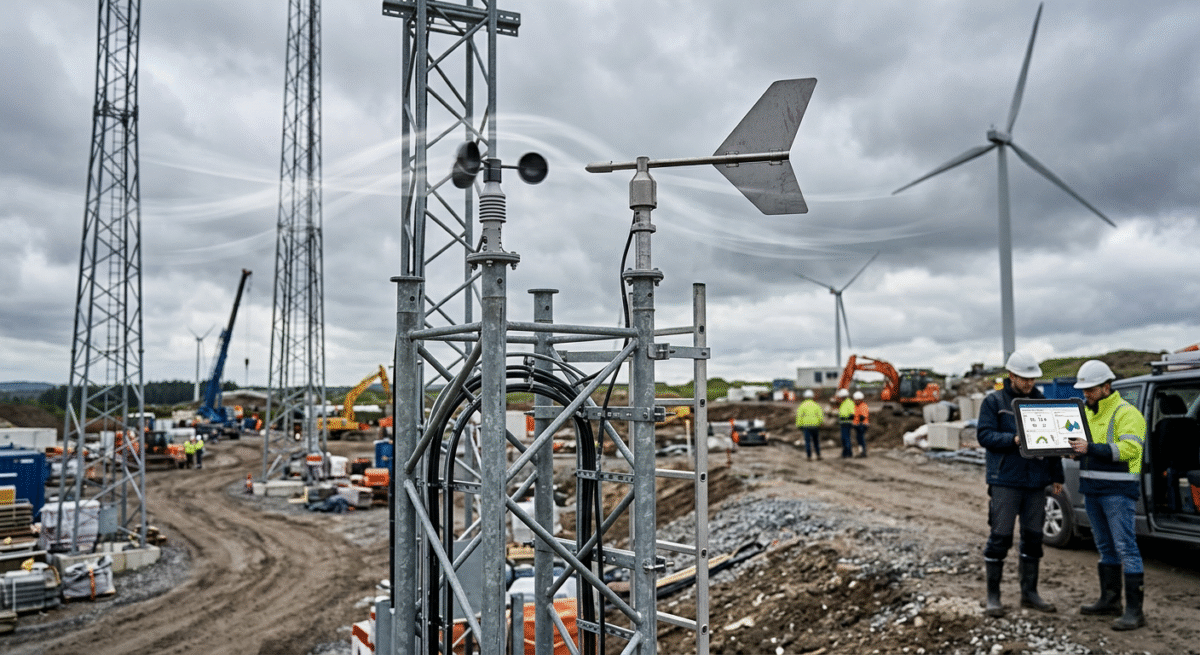
Wind conditions influence safety, system efficiency, and operational planning. In sectors such as construction, energy, and environmental monitoring, inaccurate readings can lead to downtime, compliance issues, or safety risks.
Many decision-makers ask, “What is the best brand for wind speed and direction sensors for industrial use? The answer depends on how well a brand aligns with operational requirements, environmental conditions, and data expectations. Brand selection is not just about recognition. It directly affects measurement consistency and long-term reliability.
Understanding Wind Speed and Direction Sensors in Industrial Systems
Wind sensors measure airflow velocity and directional changes. These readings support systems that rely on real-time environmental awareness.
Common applications include:
- Construction site safety monitoring
- Renewable energy system optimization
- Building automation adjustments
- Environmental data collection
These systems operate in outdoor environments where accuracy and durability remain critical. Even minor inconsistencies can affect system responses and reporting outcomes.
Why Brand Alone Should Not Be the Only Decision Factor
Brand recognition often influences purchasing decisions. However, relying only on brand familiarity can create gaps in performance expectations.
A well-known brand may not always meet specific operational needs. Industrial environments vary in temperature ranges, exposure levels, and integration requirements.
The goal should not be limited to asking questions like “What is the best brand for wind speed and direction sensors for industrial use?” Decision-makers benefit from evaluating how a brand performs under specific use conditions.
Key Factors That Define a Reliable Brand for Industrial Wind Sensors
A reliable brand demonstrates consistency across multiple technical and operational areas.
Key factors to assess include:
- Measurement Accuracy: Consistent readings across varying wind speeds and conditions
- Durability and Build Quality: Resistance to corrosion, vibration, and extreme weather
- Calibration Stability: Ability to maintain accuracy over time with minimal drift
- Integration Capability: Compatibility with control systems, data loggers, and automation platforms
- Maintenance Requirements: Reduced servicing needs for long-term efficiency
- Compliance and Standards: Alignment with industry certifications and quality systems
These factors help identify brands that support reliable performance beyond initial installation.
Comparing Sensor Technologies Across Brands
Different brands offer varied sensor technologies. Each type affects performance, maintenance, and lifespan.
Common technologies include:
1. Mechanical Sensors (cup and vane systems)
- Proven and widely used
- Require periodic maintenance due to moving parts.
2. Ultrasonic Sensors
- No moving components
- Lower maintenance requirements
- Suitable for harsh environments
3. Hybrid or Specialized Designs
- Tailored for specific industrial applications
- May offer enhanced durability or precision
Technology choice often reflects a brand’s design philosophy. Comparing these options helps align performance expectations with operational needs.
Evaluating Brand Reliability in Real-World Industrial Applications
Real-world performance provides a clearer picture than product specifications alone.
Key evaluation areas include:
- Long-term field performance under varying climates
- Stability of readings during continuous operation
- Ease of installation and system integration
- Availability of technical support and documentation
Case-based evaluation allows businesses to assess whether a brand delivers consistent results across similar industrial environments.
Common Mistakes When Choosing a Brand for Wind Sensors
Selection errors often arise from incomplete evaluation criteria.
Common mistakes include:
- Choosing based only on price without considering lifecycle cost
- Ignoring environmental conditions such as temperature and exposure
- Overlooking integration compatibility with existing systems
- Assuming all sensor technologies perform equally in harsh conditions
- Focusing only on initial specifications instead of long-term stability
Avoiding these mistakes improves decision quality and reduces operational risks.
Also Read:
How Ultrasonic Sensors Capture Wind Speed With Precision
How Accurate Wind Direction Indicators Support Climate Research
Understanding the Most Important Weather Measuring Instruments in Use Today
Choosing the Right Brand Starts with the Right Criteria
Selecting a suitable brand requires a structured approach. Accuracy, durability, and compatibility should guide the process rather than brand familiarity alone.
A well-informed evaluation leads to better system performance and reduced maintenance challenges over time.
Organizations assessing wind measurement solutions can contact Comptus to review available options and support informed decision-making aligned with industrial requirements.