Skip to the content
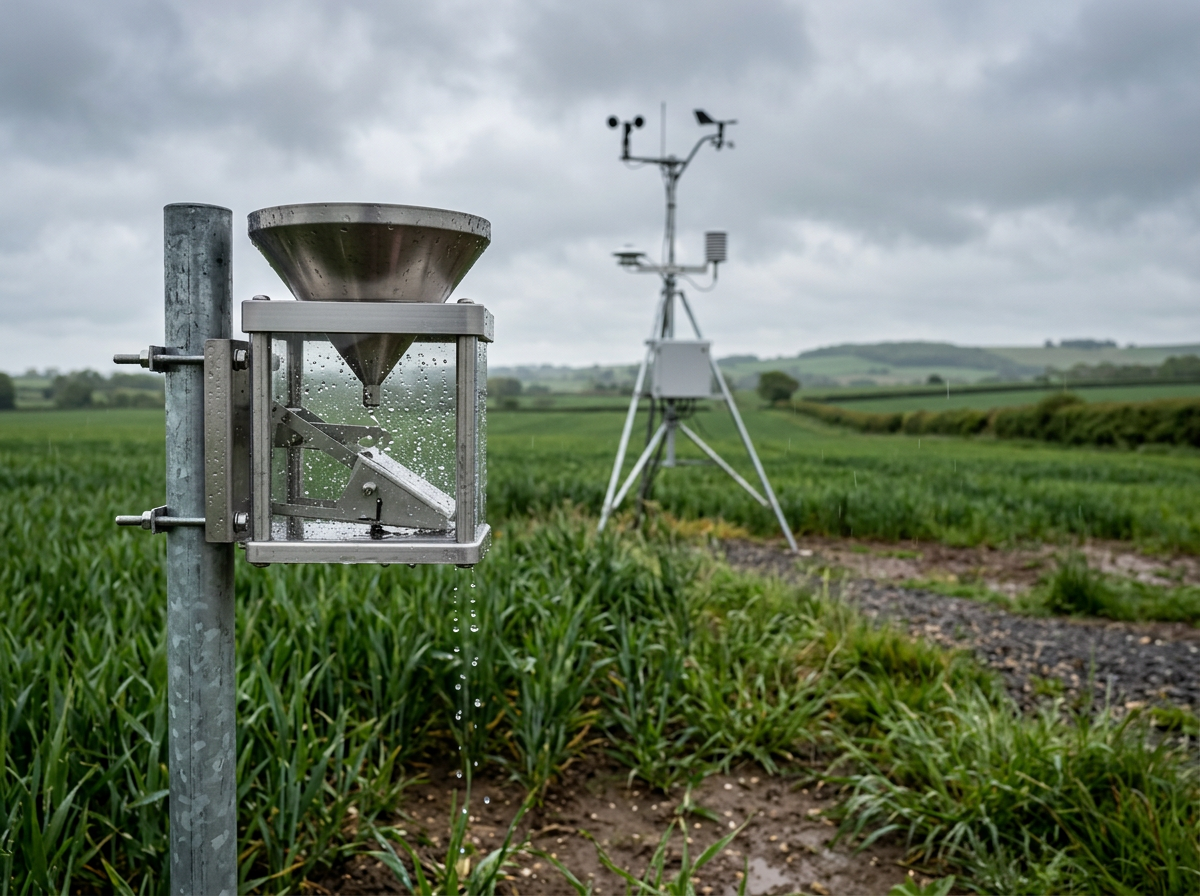
Reliable precipitation data support better agricultural planning, irrigation management, and environmental reporting. When rainfall measurements are inaccurate, teams may make decisions based on incomplete information. This leads to inefficient water use, scheduling challenges, and uncertainty across field operations.
Selecting the right rainfall sensor helps reduce these risks. Beyond collecting precipitation data, a professional rainfall sensor should provide consistent performance, integrate with monitoring systems, and withstand long-term environmental exposure. Understanding the factors that influence measurement accuracy can help procurement teams choose equipment that aligns with operational goals.
Why Rainfall Sensor Selection Matters
Rainfall data influences a wide range of agricultural and environmental decisions. From irrigation scheduling to crop management and compliance reporting, dependable measurements help teams respond more effectively to changing conditions.
The best rainfall measurement sensors are not simply those with advanced features. The most suitable option depends on site conditions, maintenance resources, and data requirements. A sensor that performs well in one environment may not provide the same results in another.
When evaluating rainfall monitoring equipment, teams should focus on several key factors:
- Measurement consistency
- Environmental durability
- Ease of maintenance
- Data output compatibility
- Installation requirements
- Calibration accessibility
A structured evaluation process helps reduce long-term operational risks and improves confidence in collected data.
Evaluating Tipping Bucket Mechanisms
Tipping bucket technology remains one of the most widely used approaches for rainfall monitoring. These systems collect precipitation in a calibrated bucket that tips once a specific volume of water is reached, generating a measurable output signal.
Why Mechanism Design Matters
The tipping bucket serves as the core measurement component. Small variations in bucket balance, flow control, or mechanical wear can affect long-term accuracy.
When evaluating tipping bucket sensors, consider:
- Bucket construction quality
- Pivot durability
- Resistance to corrosion
- Debris protection features
- Ease of inspection and cleaning
Agricultural environments often expose equipment to dust, vegetation, insects, and severe weather. A well-designed mechanism should continue operating reliably despite these challenges.
Performance During Variable Rainfall Events
Rainfall intensity can change rapidly during storms. Some sensor designs include flow-control features that help maintain measurement consistency when precipitation rates increase significantly.
Evaluating how a sensor performs during both light and heavy rainfall events provides a better understanding of long-term field performance.
Assessing Environmental Durability
Outdoor monitoring equipment must withstand continuous exposure to changing weather conditions. Environmental durability plays a major role in sensor reliability and lifecycle cost.
Housing Materials and Weather Resistance
Sensor housings should resist:
- Corrosion
- UV exposure
- Moisture intrusion
- Temperature fluctuations
Durable materials help preserve calibration integrity and reduce maintenance requirements over time.
Site Exposure Considerations
Sensor placement can influence data quality as much as the sensor itself. Nearby structures, trees, and equipment can affect rainfall collection and introduce measurement errors.
Before installation, evaluate:
- Obstructions around the collection area
- Drainage patterns
- Wind exposure
- Access for maintenance personnel
Proper siting helps maximize measurement accuracy and supports long-term performance.
Integration with Weather Monitoring Systems
Rainfall data becomes more valuable when combined with other environmental measurements. Many organizations integrate precipitation monitoring with broader weather observation systems to gain a more complete understanding of site conditions.
Compatibility with Existing Infrastructure
Before selecting a sensor, verify compatibility with:
- Data loggers
- Monitoring software
- Communication systems
- Existing weather stations
Integration challenges often create delays and additional costs after installation. Confirming compatibility early in the procurement process can help avoid deployment issues.
Supporting Better Decision-Making
When rainfall measurements are combined with environmental variables such as temperature and wind conditions, teams gain additional context for operational planning.
Integrated monitoring systems can support:
- Irrigation scheduling
- Field access planning
- Environmental reporting
- Resource allocation decisions
This broader perspective improves the practical value of collected rainfall data.
Maintenance and Calibration Considerations
Even highly durable sensors require periodic inspection and verification. Maintenance requirements should be evaluated alongside measurement performance during the procurement process.
Simplifying Long-Term Maintenance
Questions worth considering include:
- How often does the sensor require inspection?
- Are replacement components readily available?
- Can calibration be verified easily?
- Is cleaning straightforward for field personnel?
Sensors that simplify routine maintenance can help reduce operational burden across large monitoring networks.
Maintaining Data Confidence
Regular inspection helps identify issues before they affect data quality. Debris accumulation, mechanical wear, and environmental exposure can all influence long-term performance if left unchecked.
A preventive maintenance approach supports more consistent measurements and helps extend equipment life.
Choosing the Right Rainfall Sensor for Long-Term Performance
Selecting a professional rainfall sensor involves more than comparing specifications. Successful deployments depend on balancing measurement accuracy, durability, maintenance requirements, and system compatibility.
Key evaluation criteria include:
- Measurement consistency
- Tipping bucket design
- Environmental durability
- Installation flexibility
- Data integration capabilities
- Maintenance accessibility
Organizations that evaluate these factors before purchasing are better positioned to achieve reliable rainfall monitoring results over the long term.
Also Read:
Finding the Right Rain Gauge for Precise Weather Monitoring
How Do Meteorologists Utilize Data from Precipitation Sensors in Forecasting?
Supporting Accurate Environmental Monitoring
Reliable precipitation data supports better planning, stronger operational decisions, and improved environmental awareness. Choosing a rainfall sensor that aligns with site conditions and monitoring objectives helps reduce uncertainty while supporting long-term measurement confidence.
Organizations evaluating rainfall monitoring solutions can contact Comptus to identify systems that align with specific environmental monitoring requirements.