Skip to the content

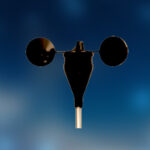
Wind can change across a worksite and over a shift. A wind speed sensor gives teams a local reading for equipment controls, work planning, or event reviews. An operator may need an immediate notification. A technician may need a timestamped record to review after equipment stops.
What are wind speed sensors used for in industry?
Industrial teams use wind speed sensors to monitor equipment conditions, support outdoor handling, and review wind turbine operations. They also record wind exposure on construction projects and use local readings to inform irrigation timing.
Can a wind speed sensor trigger an alarm?
A compatible controller can activate an alarm when a wind speed reading reaches a configured set point. The sensor provides the measurement. The controller applies the alarm settings and sends the alert through the configured output.
1. Industrial Equipment and Process Monitoring
Teams can log wind speed alongside events from equipment that operates outdoors. If equipment stops, staff can check whether a change in wind coincided with the interruption. Use a shared time reference for the wind readings and equipment history. That gives the technician a way to trace the sequence of events. Keep readings from before and after the interruption. A daily average can hide a brief change during operation.
When a process controller needs an analog signal, a transmitter can convert the sensor output. Confirm the input, speed range, and units the controller expects. Comptus offers a 4-20 mA output option for its wind speed sensor with translator.
2. Material Handling and Outdoor Operations
Outdoor crane crews can monitor wind near the area where they move large loads. Choose a measurement point that represents the exposure the lift plan calls for. Review alarm settings against the equipment manufacturer’s instructions and the site’s operating procedures.
Specify how the operator will receive the alert from the work position. A compatible controller can send an alarm signal to a light or audible indicator. Comptus offers configurable alarm relays on its C48 controller.
3. Renewable Energy Operations
Wind farm operators can compare local wind readings with turbine output and operating records. When power output changes, the wind record helps show what conditions the turbine faced during that period. The team can use the comparison to decide which events warrant a closer review.
Check the measurement height and averaging interval in the monitoring plan. Retain a record of sensor changes, relocations, and logger settings. A maintenance team needs that context when comparing wind and output records from different service periods.
4. Construction and Infrastructure Monitoring
As construction progresses, new structures can change airflow around a work area. Review whether the sensor location still represents the conditions the project team needs to track. When crews move an instrument, record the date, position, and mounting height. That history helps explain changes in the readings across project phases.
Infrastructure teams can also use wind records when studying an exposed structure. For example, engineers can compare the timing of measured wind and bridge movement when both records are available. Use a common time reference to enable that comparison.
5. Agriculture and Irrigation Operations
Wind can carry sprinkler spray away from the intended area and affect how evenly water reaches the field.
Local wind readings can help staff choose an irrigation period or investigate uneven coverage. Compare the wind record with the irrigation schedule and field observations. Check that the wind record covers the entire irrigation cycle. If spray drift direction matters, collect wind direction as well as speed. Choose a sensor location that represents the irrigated area. A station sheltered by nearby buildings can show different conditions from those over the field.
Choosing a Wind Sensor for the Application
Start with the decision the reading needs to support. Identify where to measure and whether the team needs an average, a gust reading, or both. Check that the sensor output matches the display, data logger, or controller. If the application needs direction, review whether the system can receive and record it.
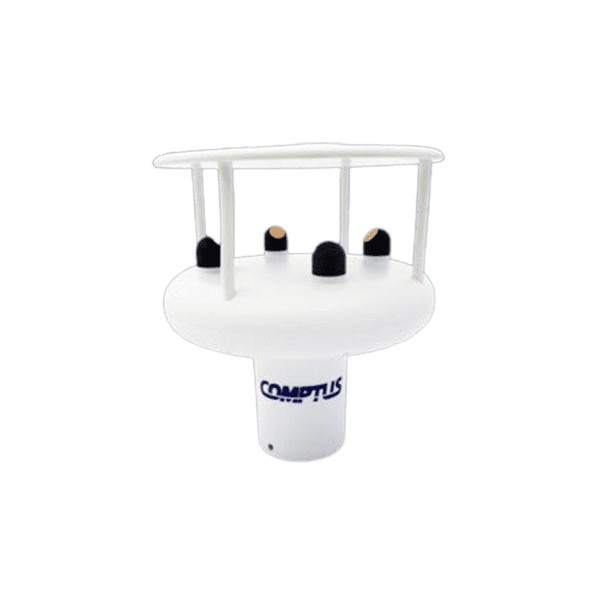
Match a cup anemometer’s pulse or sine wave output to a compatible receiver. A combined ultrasonic model can measure both speed and direction. Compare operating range, response, and mounting requirements when choosing a wind speed measuring device.
Share the intended use, sensor location, and receiving equipment details when you contact Comptus.
Can one wind sensor cover several work areas?
One sensor can serve areas that share similar wind exposure. Buildings, terrain, and height differences can create different conditions. Check which locations the reading needs to represent before choosing where to mount the sensor.
When should I measure wind direction as well as speed?
Measure direction when the wind source affects a decision. This can matter when reviewing airflow around a structure or investigating spray drift. Use a separate wind vane or a combined speed-and-direction sensor.
Should a logger store average wind speed and gusts?
Keep the readings that support the application. Averages help teams review trends. Gust records preserve brief peaks that averages can smooth out. Document how the system calculates and stores each value.