Skip to the content
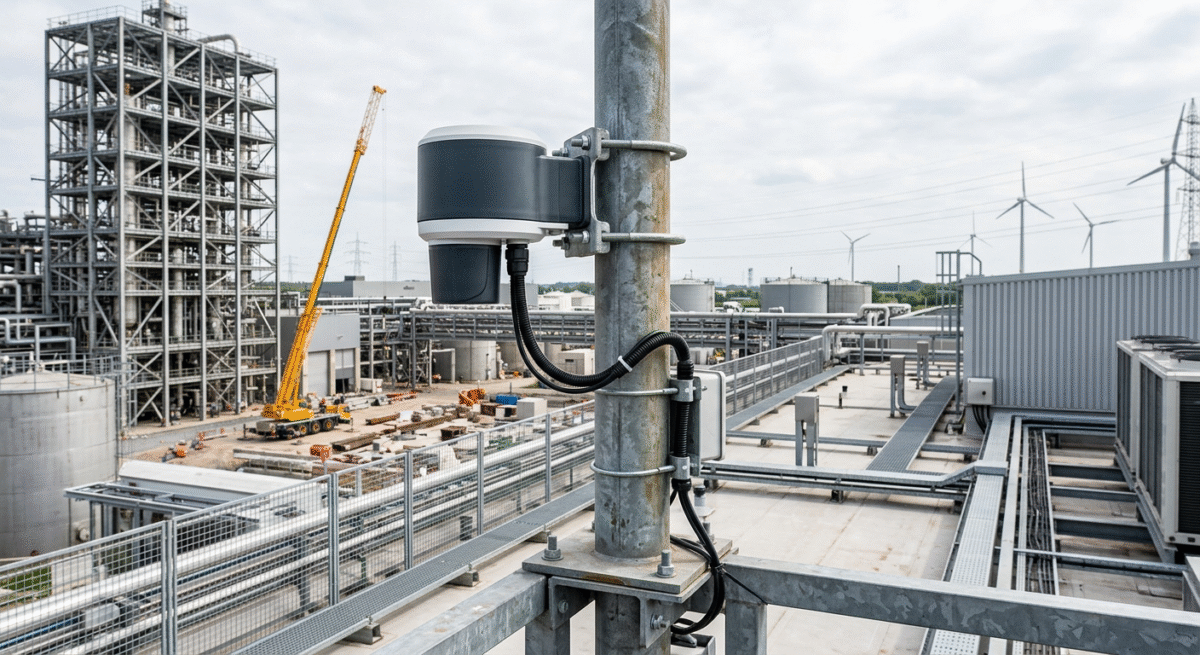
Accurate wind measurement plays a critical role in industrial operations. From maintaining safe working conditions to improving system efficiency, reliable wind data supports better decision-making across sectors. However, traditional mechanical anemometers often struggle to deliver consistent performance in demanding environments.
Ultrasonic wind sensors are emerging as a dependable alternative. Their design eliminates many of the challenges associated with mechanical systems, making them increasingly relevant for modern industrial applications.
Why are ultrasonic wind sensors more reliable than mechanical anemometers?
Ultrasonic wind sensors have no moving parts, which eliminates wear and mechanical failure. This results in more consistent measurements and lower maintenance requirements.
Where are ultrasonic wind sensors commonly used?
They are widely used in building automation, renewable energy projects, construction sites, environmental monitoring systems, and industrial facilities.
What Are Ultrasonic Wind Sensors?
Ultrasonic wind sensors are advanced instruments that measure wind speed and direction using sound waves instead of moving parts.
Unlike traditional anemometers that rely on rotating cups or vanes, these sensors use ultrasonic signals transmitted between fixed points. By analyzing how wind affects these signals, the sensor calculates accurate wind data.
Key characteristics include:
- No moving components
- Real-time wind speed and direction measurement
- High durability in outdoor conditions
- Minimal maintenance requirements
This design allows these sensors to maintain consistent performance even in environments where mechanical devices tend to fail.
How Ultrasonic Wind Sensors Work
Ultrasonic wind sensors operate using a simple but precise principle. They send ultrasonic pulses between pairs of transducers. These pulses travel back and forth across a fixed path.
When wind is present, it changes the speed at which the sound waves travel. By measuring the time difference between transmitted and received signals, the sensor determines:
- Wind speed
- Wind direction
Process overview:
- Transducers send and receive ultrasonic signals
- Wind alters the signal travel time
- Internal processing calculates wind vectors
- Data is transmitted to monitoring systems
Because there are no mechanical parts involved, measurements remain stable and less prone to wear-related errors.
Limitations of Traditional Mechanical Anemometers
Mechanical anemometers have been widely used for decades. While they are effective in certain conditions, they present several limitations in industrial environments.
Common challenges include:
- Wear and Tear: Rotating components degrade over time, affecting accuracy
- Frequent Maintenance: Bearings and moving parts require regular servicing
- Environmental Sensitivity: Dust, ice, and debris can obstruct movement
- Reduced Lifespan: Continuous exposure to harsh conditions accelerates failure
- Measurement Delays: Mechanical inertia can limit responsiveness to sudden wind changes
These limitations can lead to inconsistent readings, higher maintenance costs, and operational risks in critical applications.
Key Advantages of Ultrasonic Wind Sensors in Industrial Applications
Ultrasonic wind speed and direction sensors address many of the shortcomings of mechanical systems. Their design offers several advantages that align with industrial requirements.
1. No Moving Parts, Reduced Maintenance
The absence of rotating components eliminates mechanical wear. This significantly reduces maintenance needs and extends operational life.
2. High Accuracy and Fast Response
Ultrasonic sensors provide near-instantaneous readings. This makes them suitable for applications where rapid changes in wind conditions must be monitored.
3. Reliability in Harsh Conditions
These sensors perform well in environments with:
- Dust and debris
- High humidity
- Freezing temperatures
Without moving parts, there is no risk of blockage or mechanical failure.
4. Consistent Long-Term Performance
Ultrasonic technology maintains accuracy over time. This consistency improves data reliability and reduces the frequency of recalibration.
5. Flexible Integration
Modern ultrasonic wind sensors integrate easily with:
- Building automation systems
- Industrial monitoring platforms
- Data acquisition systems
This makes them suitable for both new installations and upgrades.
Ultrasonic vs Mechanical Wind Sensors: Side-by-Side Comparison
| Feature | Ultrasonic Wind Sensors | Mechanical Anemometers |
|---|---|---|
| Measurement Method | Sound waves | Rotating cups/vanes |
| Moving Parts | None | Multiple |
| Maintenance | Low | High |
| Accuracy | High and consistent | Can degrade over time |
| Response Time | Fast | Moderate |
| Performance in Harsh Conditions | Reliable | Often affected |
| Lifespan | Long | Shorter due to wear |
This comparison explains the shift toward ultrasonic measurement systems in industrial operations.
Industrial Applications Driving Adoption
The demand for ultrasonic wind sensors continues to grow across various industries. Their ability to provide reliable data supports operational efficiency and safety.
- Building Automation Systems: Accurate outdoor wind data helps optimize HVAC systems and improve energy management. Sensors help adjust ventilation based on real-time conditions.
- Renewable Energy Projects: Wind monitoring plays a key role in site assessment and turbine performance. Reliable sensors help improve energy output and system planning.
- Infrastructure and Construction: Monitoring wind conditions ensures safer crane operations and construction activities. Real-time data reduces risks associated with sudden gusts.
- Environmental Monitoring: Ultrasonic sensors support weather stations and environmental studies. Consistent data helps track climate patterns and local conditions.
- Industrial Facilities: Facilities rely on wind data to manage emissions, ventilation, and equipment safety. Accurate measurements contribute to compliance and operational stability.
Key Considerations When Selecting an Ultrasonic Wind Sensor
Selecting the right sensor requires careful evaluation of operational needs and environmental conditions.
Important factors include:
- Measurement Accuracy: Ensure the sensor meets required precision levels
- Durability: Choose models designed for specific environmental conditions
- Output Compatibility: Confirm integration with existing systems
- Power Requirements: Evaluate energy consumption and supply options
- Mounting and Installation: Consider ease of deployment and positioning
- Data Communication: Assess support for digital and analog outputs
A well-matched sensor improves performance and reduces long-term operational costs.
Also Read:
How Ultrasonic Sensors Capture Wind Speed With Precision
Ultrasonic Weather Stations Compared to Traditional Automatic Systems
How the Right Placement of Ultrasonic Sensors Influences Measurement Accuracy
Moving Toward More Reliable Wind Measurement Systems
Industrial operations continue to evolve, placing greater emphasis on reliability, efficiency, and data accuracy. Ultrasonic wind sensors align with these priorities by eliminating common mechanical limitations and delivering consistent performance.
As industries adopt smarter monitoring systems, the shift toward ultrasonic technology reflects a broader change. It highlights the shift toward reducing maintenance, improving safety, and enhancing operational insight.
For businesses evaluating advanced wind measurement systems, reviewing ultrasonic wind speed sensor options can support more informed decisions. Contact Comptus to learn more about available ultrasonic wind speed sensor solutions.