Skip to the content
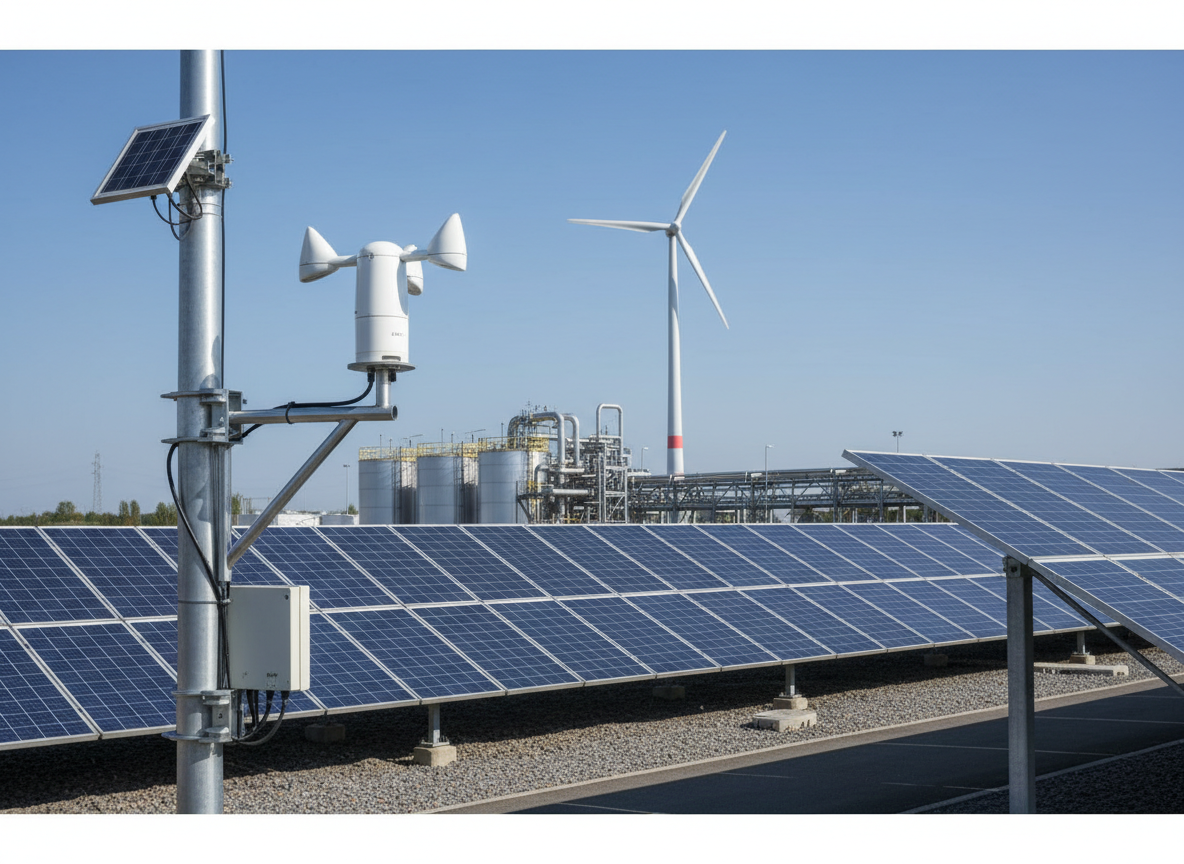
When Wind Data Disrupts System Performance
Many industrial operations depend on accurate environmental data to maintain stable performance. Automated systems in energy production, building management, infrastructure monitoring, and industrial processing all rely on wind inputs to support safe and efficient operation. When wind measurements become inconsistent or delayed, the impact can spread quickly across connected systems.
Incorrect wind data can lead to unstable control responses, unnecessary energy consumption, and operational safety concerns. A wind measuring device does more than capture weather conditions. It directly influences how control systems react, communicate, and maintain stability under changing environmental conditions.
As industrial systems become more connected, reliable wind monitoring plays a larger role in long-term system integration. Selecting the right sensor technology helps reduce disruptions while supporting more dependable operational performance.
Why is a wind measuring device important in industrial applications?
A wind measuring device helps industrial systems maintain stable operation by providing accurate environmental data for automation, monitoring, and safety controls.
What is the difference between ultrasonic and mechanical wind sensors?
Mechanical wind sensors use moving parts to measure airflow, while ultrasonic sensors use sound waves. Ultrasonic systems generally require less maintenance and provide stable performance in harsh environments.
Why a Precise Wind Measuring Device Supports System Stability
Reducing Signal Errors in Automated Systems
Industrial automation systems rely on steady data inputs to maintain accurate control logic. When wind measurements fluctuate unnecessarily or contain delayed readings, automated systems may respond incorrectly. This can create instability in ventilation controls, environmental monitoring platforms, and energy management systems.
Reliable wind sensors help maintain stable signal transmission across connected systems. Consistent environmental inputs allow monitoring platforms to respond more accurately to changing conditions. This supports smoother operation across facilities where environmental conditions influence system performance.
Wind measurement accuracy also affects alarm systems and predictive maintenance programs. Stable readings improve confidence in automated responses while reducing unnecessary system adjustments caused by unreliable data.
Performance Impact in Renewable Energy Systems
Renewable energy systems depend heavily on environmental monitoring. Wind conditions influence operational planning, equipment positioning, and system efficiency across many renewable applications.
Solar tracking systems, for example, often adjust positioning based on environmental conditions. Inconsistent wind readings can affect alignment logic and create unnecessary system corrections. Stable wind measurements support more reliable positioning and operational consistency.
Environmental monitoring also plays a role in equipment protection. Accurate wind data helps systems respond appropriately during changing weather conditions, reducing operational stress on exposed infrastructure.
Understanding Wind Direction Instruments in Industrial Monitoring
Wind direction instruments measure airflow orientation to support system monitoring and operational control. These devices work alongside wind speed sensors to provide a complete picture of environmental conditions.
Many industrial systems require both wind speed and directional data to operate effectively. Common applications include:
- Building automation systems
- Environmental monitoring stations
- Renewable energy facilities
- Infrastructure safety systems
- Industrial ventilation controls
The quality of wind direction data directly affects how connected systems interpret environmental conditions. Precise directional monitoring supports more stable automation responses and improves operational visibility.
As industrial monitoring becomes more data-driven, demand for accurate wind-direction instruments continues to grow across multiple sectors.
Selecting the Right Instrument Used to Measure Wind Direction
Mechanical Vanes and Cup Anemometers in Industrial Use
Mechanical wind sensors remain widely used across industrial environments. Cup anemometers measure wind speed through rotating components, while mechanical vanes track airflow direction.
These systems continue to support many applications because of their familiar design and straightforward integration. Construction environments, infrastructure projects, and legacy monitoring systems still rely heavily on mechanical wind measurement devices.
However, moving parts introduce maintenance requirements over time. Bearings, rotating assemblies, and exposed components may wear down under continuous environmental exposure. Dust, moisture, and freezing temperatures can also affect long-term performance if regular servicing is not maintained.
Mechanical systems remain practical in many environments, but maintenance planning becomes increasingly important as operating conditions become more demanding.
Solid-State Ultrasonic Technology for Low Maintenance
Ultrasonic wind sensors use sound waves instead of rotating components to measure wind speed and direction. This solid-state approach removes many of the wear-related limitations associated with mechanical devices.
Without moving parts, ultrasonic sensors support more stable long-term operation in harsh conditions. Environmental exposure has less impact on measurement consistency because there are no mechanical assemblies to obstruct or degrade over time.
Many industrial facilities are moving toward solid-state sensor technology because of its lower maintenance requirements and reliable performance. Ultrasonic systems are increasingly used in applications where continuous monitoring and reduced downtime are operational priorities.
This shift reflects broader industry demand for environmental monitoring systems that support long-term reliability while reducing service interruptions.
Ultrasonic vs Mechanical Wind Sensors in System Integration
Reliability in Harsh Environmental Conditions
Industrial environments often expose wind sensors to difficult operating conditions. Dust, heavy moisture, temperature swings, and debris can affect measurement stability over time.
Mechanical wind sensors may experience reduced performance when contaminants interfere with moving components. Freezing conditions can also affect rotational movement and directional accuracy.
Ultrasonic systems avoid many of these issues because they operate without physical movement. Stable performance under changing environmental conditions helps support more reliable system integration across industrial monitoring platforms.
For facilities operating in exposed outdoor environments, long-term environmental durability becomes an important factor when selecting wind monitoring technology.
Impact on Maintenance and System Downtime
Maintenance requirements directly affect operational uptime. Mechanical sensors often require periodic inspection, cleaning, lubrication, or component replacement to maintain accurate performance.
Frequent servicing may interrupt monitoring operations or increase maintenance scheduling demands. In facilities managing multiple sensor locations, maintenance requirements can also increase operational costs over time.
Solid-state ultrasonic sensors reduce many routine maintenance needs associated with moving components. Lower service frequency improves system uptime and supports more stable long-term operation.
This operational consistency has become an important factor for facilities seeking more dependable environmental monitoring systems.
Key Considerations Before Choosing a Wind Measuring Device
Selecting the right wind measuring device requires evaluating several operational factors. Environmental conditions, integration requirements, and maintenance expectations all influence long-term performance.
Important considerations include:
Measurement Accuracy and Consistency
Reliable environmental monitoring depends on stable and repeatable measurements. Sensor consistency becomes especially important in automation systems that rely on continuous environmental inputs.
Environmental Durability
Outdoor monitoring equipment must withstand exposure to:
- Moisture
- Dust
- Ice
- Temperature fluctuations
- High winds
Sensor housing quality and environmental protection ratings influence long-term reliability.
Output Compatibility
Wind sensors should integrate smoothly with existing automation and monitoring systems. Compatibility with PLCs, SCADA systems, and data acquisition platforms helps simplify deployment.
Maintenance Requirements
Facilities with limited maintenance access may prioritize lower-service-level sensor designs. Reduced maintenance needs can support better operational continuity over extended service periods.
Installation Flexibility
Mounting requirements, cable routing, and installation conditions also affect deployment planning. Flexible installation options support easier integration across different industrial environments.
Also Read:
Measuring Wind Speed with Anemometers
How to Use an Anemometer for Real-Time Wind Speed and Direction Measurement
How Wind Direction Indicators Improve Safety and Efficiency on Construction Sites
Moving Toward More Reliable Wind Measurement Systems
Industrial systems rely on stable environmental monitoring to maintain safe and efficient operation. As automation platforms become more advanced, reliable wind measurement continues to play a larger role in system integration and operational planning.
The growing adoption of solid-state sensor technology reflects increasing demand for reduced maintenance and long-term measurement stability. While mechanical wind sensors remain widely used across many industries, ultrasonic systems are becoming more common in environments where uptime and reliability are operational priorities.
Selecting the right wind measuring device supports more accurate monitoring, improved system integration, and better long-term operational performance. Facilities evaluating advanced environmental monitoring solutions can contact Comptus to identify the right instrument used to measure wind direction in specific industrial applications.